
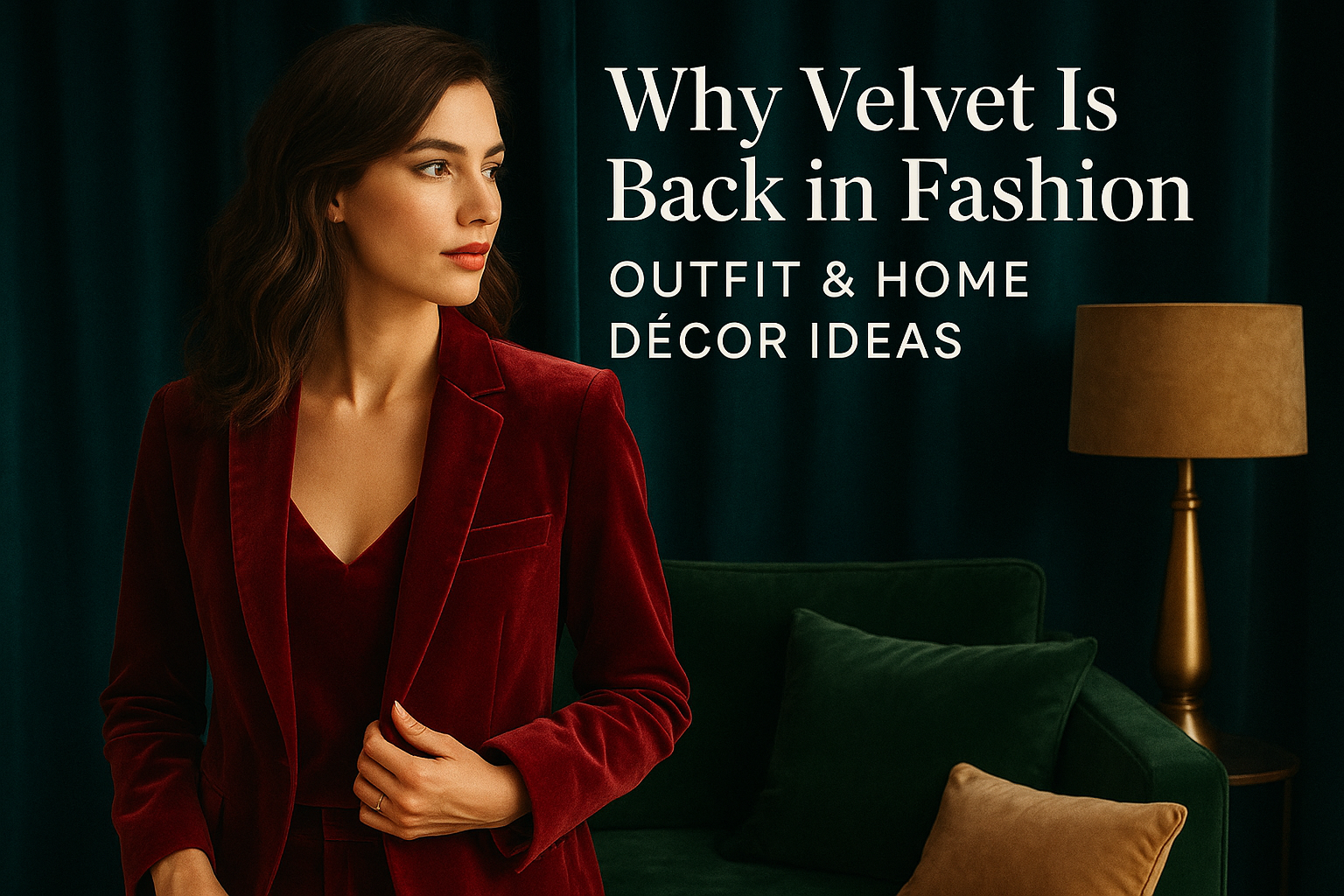
Velvet has always carried an air of sophistication. Once reserved for royalty and grand interiors, it’s now making a striking return to modern wardrobes and homes across the UK. From plush velvet sofas to elegant evening dresses, this fabric is having a well-deserved revival. But to truly appreciate its versatility, it helps to understand the fabric itself, what it’s made of, how it differs from lookalike materials like velour, and why today’s innovations make it more wearable than ever.
Understanding the Fabric: How Velvet Is Made?
Velvet isn’t just about its luxurious surface. Technically, it’s a woven fabric with a distinctive pile, created through a unique process where two layers of fabric are woven together and then carefully cut apart. This process forms thousands of tiny, upright fibres that give velvet its smooth, plush texture and luminous sheen. The pile height typically ranges from 0.5 to 1.5 mm, depending on the finish and intended use.
Traditional velvet was once made exclusively from silk, which made it both expensive and delicate. Today, most modern velvet fabrics are woven from polyester, viscose, or blended fibres to create more durable, versatile versions suited to fashion and interior design. For example, stretch velvet fabric UK suppliers often use a polyester-spandex blend, with about 90–95% polyester and 5–10% spandex, to add flexibility without losing that signature soft touch.

Smooth Stretch Span Velvet Fabric Q559 Lavender
Velvet vs Velour vs Crushed Velvet: Key Differences
It’s easy to confuse velvet with other fabrics that share a similar appearance, but the construction sets them apart:
- Velvet: Woven with a cut pile, giving it a dense, smooth, and lustrous surface. It’s the most structured of the three, ideal for velvet dressmaking fabric projects such as tailored dresses or eveningwear.
- Velour: A knitted fabric with a loop pile, making it softer, stretchier, and more casual. Velour is commonly used in tracksuits and loungewear.
- Crushed Velvet: This type undergoes an additional heat or mechanical process that twists the pile in different directions, creating a distinctive, crushed, reflective pattern. It’s popular for printed velvet fabric products and adds dramatic texture to clothing and décor.

Crushed Velour Draping Decor Fabric Q156 Mauve
Each type of velvet offers a unique balance of comfort, movement, and style and understanding the technical differences can help you choose the right one for your next project, whether you’re upholstering a statement chair or sewing a luxurious wrap dress.
Fabric Logic: Choosing the Right Velvet for Fashion or Interiors
| Velvet Type | Best Used For | Ideal Applications | Key Features & Lining Tips |
|---|---|---|---|
| Stretch Velvet | Dressmaking | Bodycon dresses, wrap dresses, skirts, tops | Offers 10–15% two-way stretch, excellent recovery, and comfort. Pairs well with satin or acetate linings for a smooth, luxurious feel against the skin. |
| Crushed Velvet | Home Décor | Curtains, cushions, throws, soft furnishings | Soft drape and luminous sheen, perfect for layered décor. When used for clothing, line with light satin to prevent cling and enhance drape. |
| Printed Velvet | Fashion & Interiors | Upholstery, statement jackets, accent chairs, accessories | Eye-catching surface prints and texture depth. For garments, use acetate or silk-blend linings to ensure structure and smooth wear. |
Velvet’s tactile richness and visual depth make it timeless across applications. Understanding how each type behaves and how linings complement them ensures your finished project looks and feels effortlessly elegant. Whether you’re sewing with stretch velvet fabric UK, styling with printed velvet fabric UK, or decorating with crushed velvet, the right pairing guarantees lasting comfort and refinement.
Construction & Handling: Working with Velvet the Right Way
Sewing with velvet requires patience and precision, but the results are worth every effort. Whether you’re working with stretch velvet fabric for dressmaking or printed velvet fabric for statement interiors, mastering a few essential techniques ensures a flawless finish.
Cut in One Pile Direction
Velvet has a directional nap, meaning the fibres lay one way, creating variations in colour and texture depending on the light. Always cut all pattern pieces in the same pile direction to maintain a consistent tone and sheen across the garment or décor piece. If pieces are cut in opposite directions, the colour may appear mismatched even when using the same fabric roll.
Press with Care
Traditional ironing can easily crush or distort velvet’s pile. Instead, use a velvet board (needle board) when pressing seams to protect the texture. Gently steam from the reverse side without direct contact, allowing the steam to lift wrinkles rather than flatten them. For smaller areas, a pressing cloth or a piece of the same velvet fabric (pile to pile) can prevent marks.
Choose the Right Needle & Thread
Velvet’s delicate pile and dense weave require the correct tools for smooth sewing. A ballpoint needle size 75/11 is ideal, as it slides between fibres rather than piercing them, reducing the risk of snags. Pair this with a fine polyester thread, which offers strength, flexibility, and a clean finish that moves naturally with the fabric.
Handling Tips for Best Results
- Stabilise seams using tissue paper or lightweight interfacing to prevent stretching during sewing.
- Avoid pins directly through the pile — use fabric clips instead to prevent marking.
- Test stitches on a fabric scrap first to fine-tune tension and stitch length (a medium-length stitch works best).
- When working with stretch velvet, use a zigzag stitch or stretch stitch to retain flexibility and durability in the seams.
By following these handling techniques, you can maintain the luxurious look and feel that make velvet so special. Whether you’re creating a tailored velvet dressmaking fabric masterpiece or an opulent set of curtains, the right preparation ensures every project looks professionally crafted.
User Experience: How Velvet Behaves During Sewing?
Working with velvet is beautiful but demanding. Its luxurious pile and soft sheen are part of what make it special, yet they also mean you need a little extra care at every stage of sewing.
Fabric Movement & Handling
Velvet tends to shift and slide easily while cutting or stitching, thanks to the raised pile surface that prevents the layers from gripping together. To keep seams aligned and prevent uneven edges, use extra clips or pins, securing the layers more closely than you would with standard woven fabrics. Some sewists also place a sheet of tissue paper between layers during sewing to help the fabric feed evenly through the machine.
If you’re using stretch velvet fabric UK, this shifting can be more noticeable due to the spandex content, so slow stitching and gentle guidance work best. Avoid pulling or stretching the fabric through the machine let it glide naturally to maintain the fabric’s drape and structure.

Maintaining the Sheen
Velvet’s signature shine depends on the direction and condition of its pile. To preserve that rich appearance, always store velvet rolled, not folded, as folding can crush the pile and leave permanent marks. If creases do appear, a gentle steaming from the reverse side or hanging the fabric in a steamy bathroom will usually lift them out without flattening the surface.
For finished garments, hang them on padded hangers and allow enough space in the wardrobe so the pile isn’t pressed by other clothes. Décor items like printed velvet cushions or curtains should be brushed lightly with a soft sleek evening dress or designing a show-stopping home feature.fabric brush to keep the fibres raised and luminous.
Velvet rewards patience. With a bit of extra handling care, you’ll achieve a professional finish that highlights its depth, movement, and luxurious glow whether you’re crafting a
Conclusion
Velvet’s comeback is no coincidence. Its perfect blend of heritage and modern practicality has cemented it as a timeless choice for both wardrobes and interiors. Today’s innovations, from stretch velvet fabric that moves beautifully with the body to printed velvet fabric that elevates furniture and fashion alike, make it more accessible and versatile than ever.
Whether you’re crafting a sleek velvet dressmaking fabric UK piece, redesigning a room, or simply adding a touch of opulence through accessories, velvet adds instant depth, texture, and elegance. By understanding its structure, handling it with care, and choosing the right type for your project, you’ll capture the enduring charm of one of fashion and décor’s most luxurious materials.