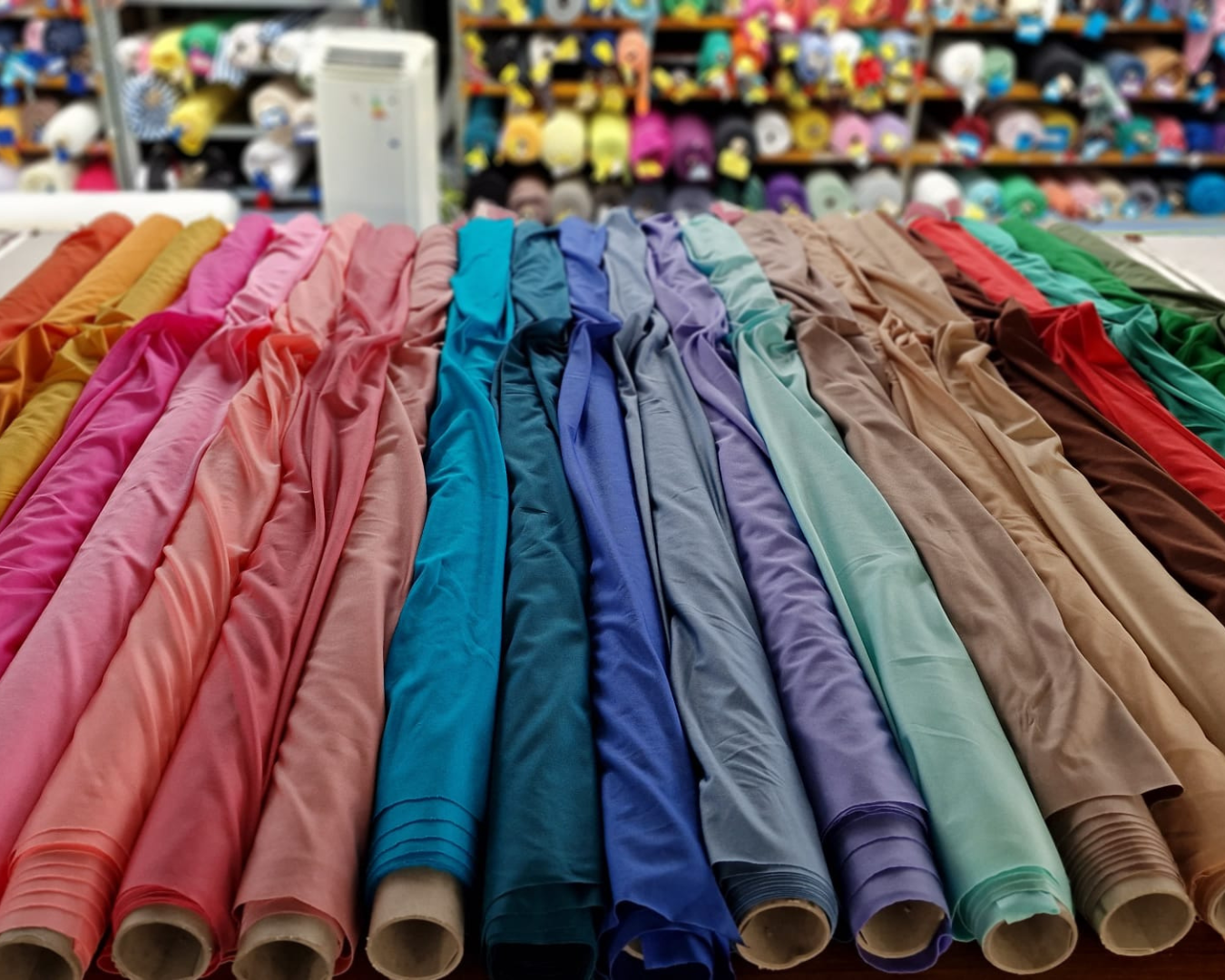

Starting your dressmaking journey begins with choosing fabrics that are forgiving, versatile, and enjoyable to sew. Understanding the characteristics of each material from stretch and weight to drape and weave helps you create garments that not only look great but also behave well under the needle. Below are five beginner-friendly fabrics that offer a balance of comfort, structure, and confidence-building results, all available from your favourite fabric UK shop.
1. Cotton
Cotton remains the most recommended starting point for beginners thanks to its easy handling, crisp finish, and natural breathability. It’s a woven fabric made from cellulose fibres, available in countless variations depending on weave and weight, making cotton dressmaking fabric UK one of the most popular choices for new sewers.
Technical Overview:
- Fibre Composition: 100% cotton or cotton-elastane blends
- Common Weaves: Poplin, Lawn, Twill, Cambric
- Weight Range: 110–200 GSM (light to medium)
- Width: Typically 140–160 cm
- Stretch: Minimal unless blended with elastane (usually 2–5% stretch)
- Handle & Drape: Stable and crisp with moderate drape depending on weave. Poplin and Twill are structured, while Lawn is lighter and slightly more fluid.
Sewing Tips:
- Needle: Universal size 70/10–80/12
- Stitch Type: Straight stitch (2.5 mm)
- Pre-Wash: Always pre-wash to prevent shrinkage
- Ideal For: Shirts, blouses, dresses, children’s clothing
Cotton’s stability makes it ideal for learning pattern cutting, seam finishing, and pressing techniques without worrying about slippage.
2. Jersey
Jersey is the go-to knit fabric for creating stretch garments such as T-shirts, dresses, and leggings. Unlike woven fabrics, jersey is knitted, giving it flexibility and comfort. The Stretch Jersey Collection is particularly popular for its soft touch, recovery, and ability to create professional results even for beginners.
Technical Overview:
- Fibre Composition: Cotton, viscose, or polyester with optional elastane (2–8%)
-
Knit Types:
- Single Jersey: Lightweight, curls at edges, good for T-shirts
- Interlock Jersey: Thicker, double-knit structure, smooth on both sides
- Stretch Type: Two-way (horizontal) or four-way (horizontal & vertical)
- Weight Range: 180–250 GSM
- Width: Usually 150–160 cm
- Handle & Drape: Cotton Jersey is more structured, viscose jersey is more fluid
Sewing Tips:
- Needle: Ballpoint or Stretch 75/11–80/12
- Stitch Type: Zigzag or stretch stitch
- Handling: Avoid stretching while sewing to prevent distortion
- Ideal For: Casual dresses, tops, leggings, loungewear
Jersey is forgiving when fitting garments but requires gentle handling and the correct needle to avoid skipped stitches.
3. Fleece
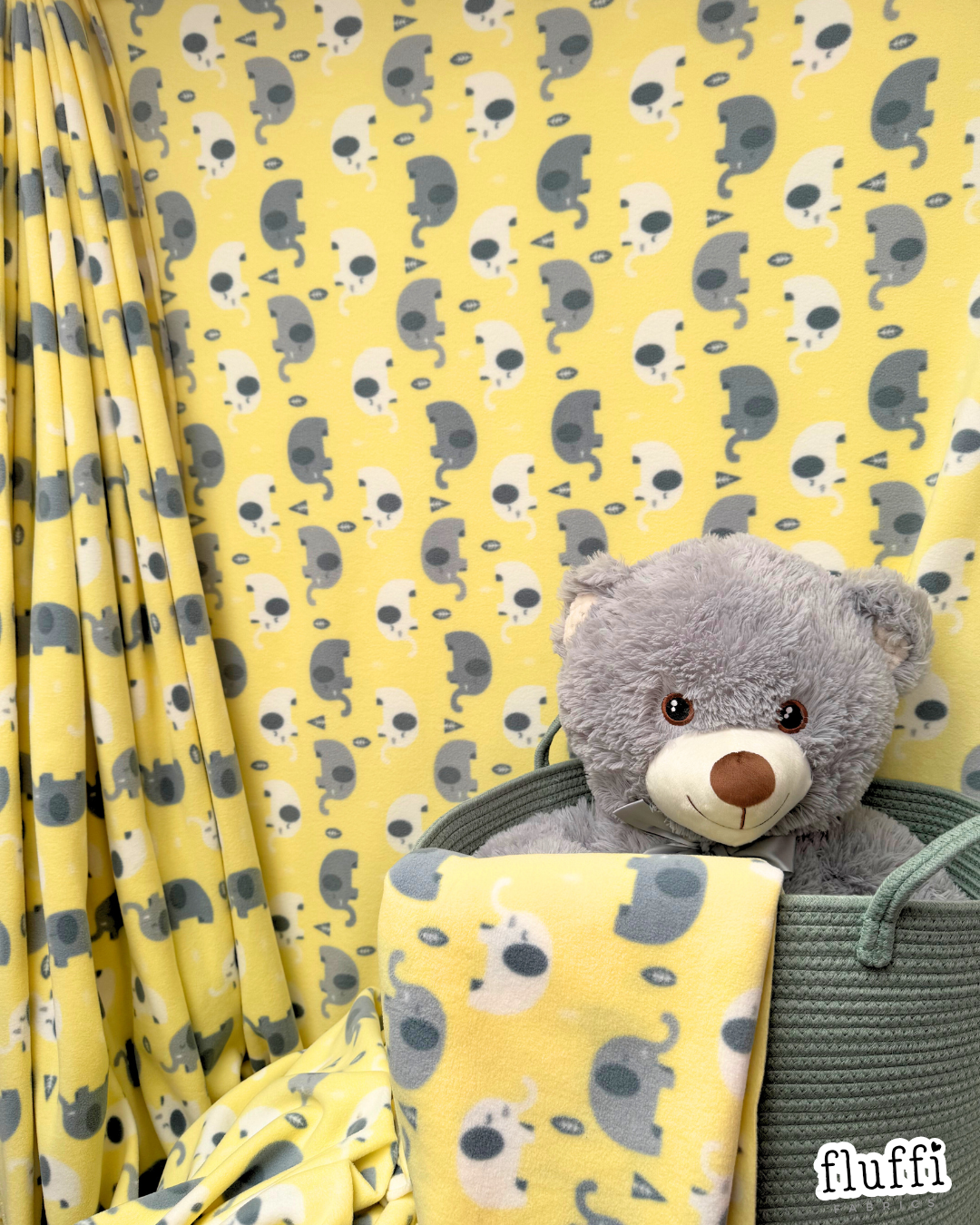
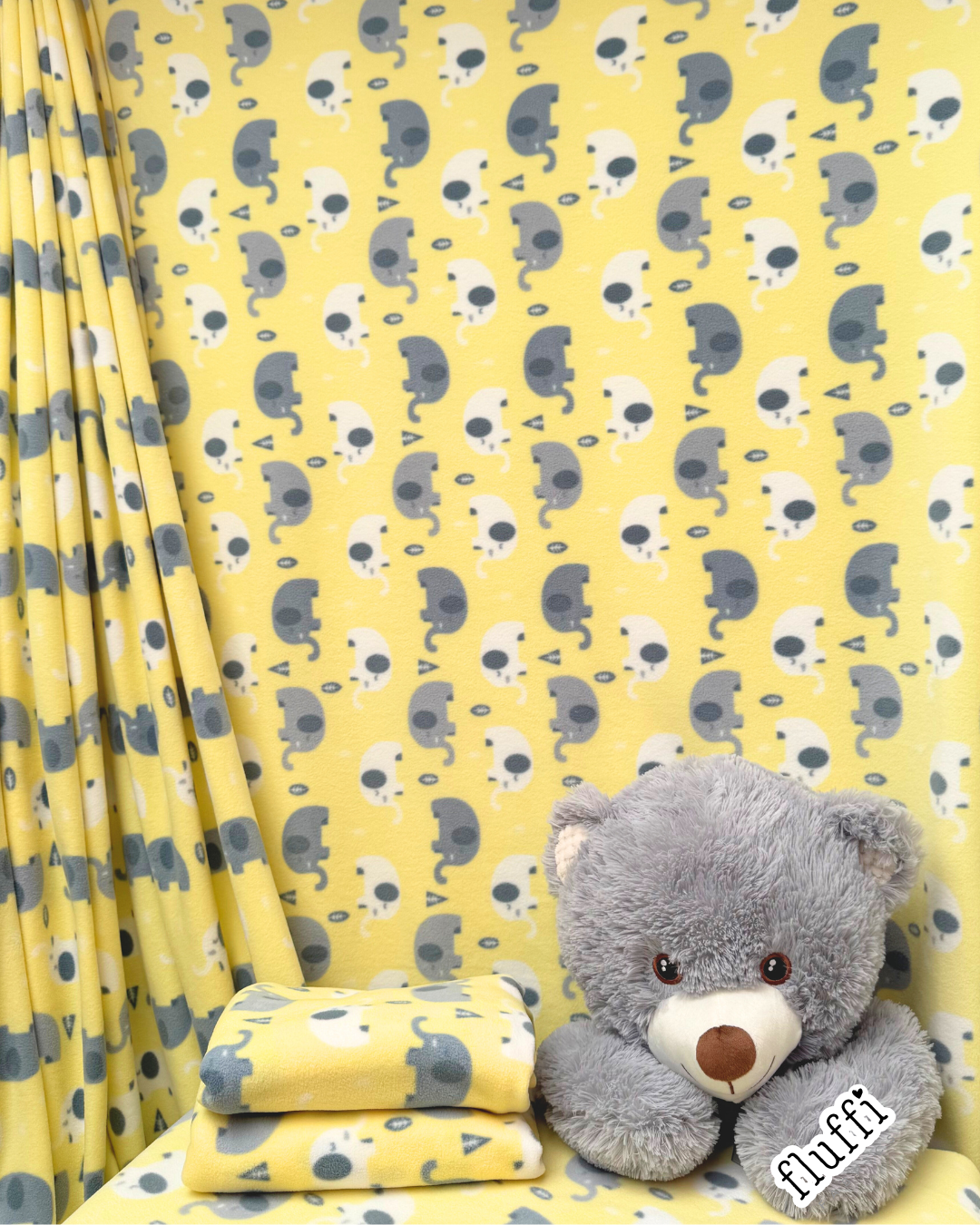
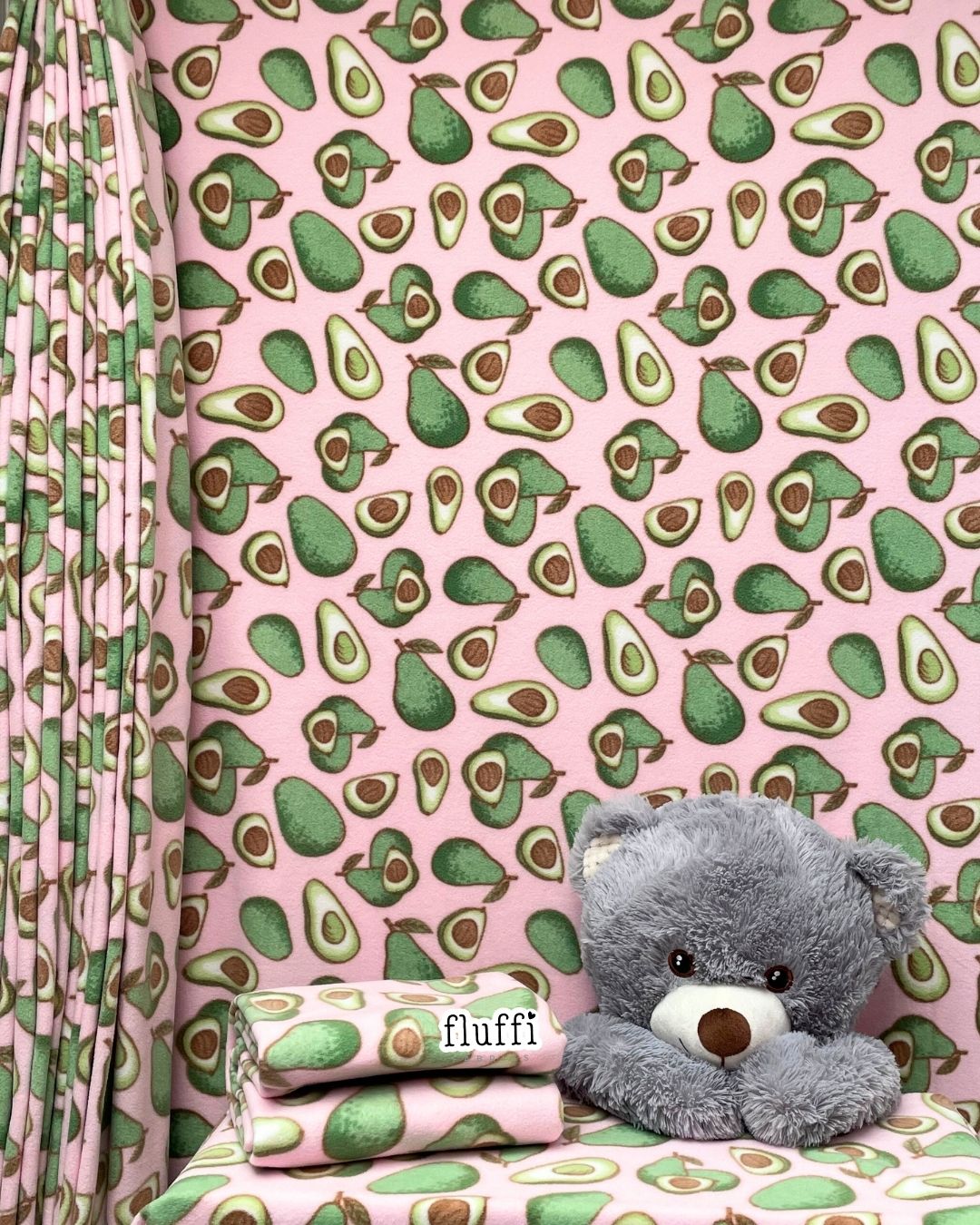
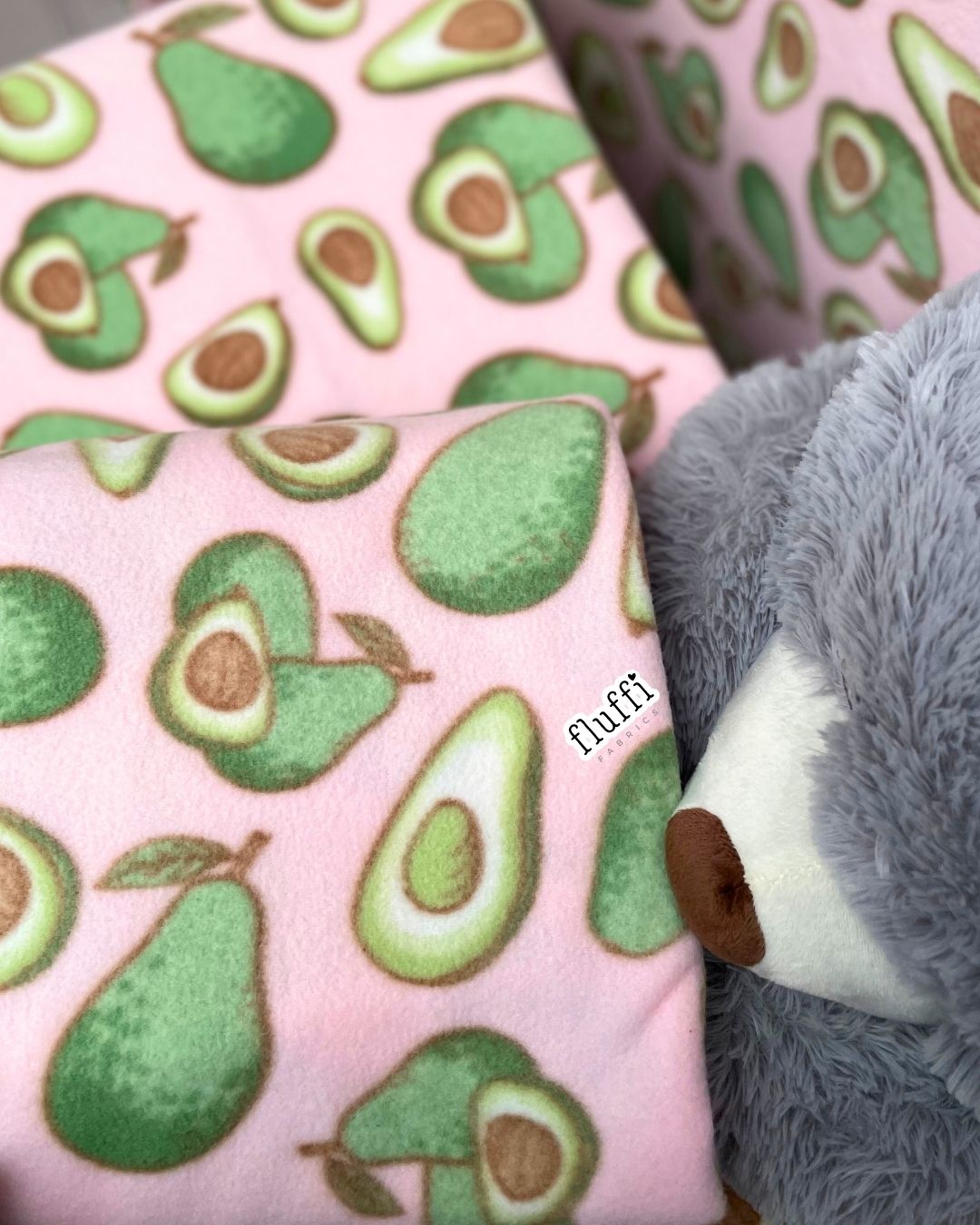
Fleece is a soft, plush knit fabric known for its warmth and comfort, making it a favourite for outerwear, loungewear, and cosy accessories. Though often thought of as stretchy, fleece stretch is mechanical rather than elastic, meaning it stretches slightly due to knit structure, not fibre content. The fleece fabric UK range includes both polar and cuddle fleece types, ideal for layering pieces.
Technical Overview:
- Fibre Composition: 100% polyester or cotton-polyester blends
-
Types:
- Polar Fleece: Smooth and medium-pile, 250–300 GSM
- Cuddle/Minky Fleece: Deep pile, ultra-soft hand feel, 300–350 GSM
- Stretch: Mechanical only (low recovery)
- Width: 150–160 cm
- Handle & Drape: Dense yet soft, low drape, medium-to-heavy handle
Sewing Tips:
- Needle: Universal or Microtex 90/14
- Stitch Type: Slightly longer straight stitch (3 mm)
- Handling: Cut with sharp shears; expect fluff; avoid ironing at high temperatures
- Ideal For: Hoodies, jackets, blankets, pet beds
While fleece doesn’t fray, it can stretch out of shape if over-handled. Its pile direction matters always align all pieces in the same direction before cutting.
4. Linen
Linen, derived from flax fibres, is beloved for its breathability and natural, textured look. It’s crisp when new but softens beautifully with every wash, making it perfect for timeless summer garments.
Technical Overview:
- Fibre Composition: 100% linen or linen-cotton blends
- Weave: Plain weave with visible slubs
- Weight Range: 150–250 GSM
- Width: 140–150 cm
- Stretch: None (woven with low elasticity)
- Handle & Drape: Crisp with moderate drape. Creases easily but softens with wear
Sewing Tips:
- Needle: Universal 80/12
- Pre-Wash: Wash and press before cutting; linen can shrink up to 10%
- Handling: Use fine pins; finish seams to prevent fraying
- Ideal For: Shirts, trousers, skirts, summer dresses
Despite its tendency to wrinkle, linen rewards you with garments that feel fresh, breathable, and full of natural charm.
5. Poplin
Poplin is a tightly woven cotton or cotton-polyester fabric prized for its smooth surface and structured finish. It’s an excellent step-up fabric once you’re confident handling basic cottons. The variety available through most dressmaking fabric UK suppliers makes it a reliable material for both beginners and professionals.
Technical Overview:
- Fibre Composition: Cotton or cotton-polyester blends
- Weave: Tight plain weave with fine cross-rib texture
- Weight Range: 110–140 GSM
- Width: 140–160 cm
- Stretch: None naturally (unless blended with elastane)
- Finish: Often mercerised for a subtle sheen and durability
- Handle & Drape: Light-to-medium weight with a crisp, stable drape
Sewing Tips:
- Needle: Universal 70/10–80/12
- Stitch Type: Straight stitch (2.5 mm)
- Handling: Press seams carefully; use fine cotton thread for neat topstitching
- Ideal For: Shirts, dresses, skirts, lightweight jackets
Poplin’s ease of handling and neat finish make it a natural choice for beginners seeking professional-looking results.
Understanding Fabric Behaviour
| Fabric Type | Construction | Typical GSM | Stretch | Drape | Recommended Needle | Key Traits |
|---|---|---|---|---|---|---|
| Cotton | Woven | 110–200 | Minimal | Crisp | 70/10–80/12 | Breathable. stable. easy to sew |
| Jersey | Knit | 180–250 | 2–8% | Fluid–structured | 75/11–80/12 (Ballpoint) | Stretchy. soft. comfy |
| Fleece | Knit (pile) | 250–350 | Mechanical only | Low | 90/14 | Warm. soft. non-fraying |
| Linen | Woven | 150–250 | None | Crisp | 80/12 | Breathable. creases. softens with wear |
| Poplin | Woven | 110–140 | None | Stable | 70/10–80/12 | Smooth. structured. durable |
Conclusion:
- Know the Difference: Woven fabrics (Cotton, Poplin, Linen) are stable and easy to handle, while knitted fabrics (Jersey, Fleece) require stretch-aware techniques.
- Mind the Width: Most dressmaking fabrics are 140–160 cm wide plan your pattern layout accordingly.
- Test Before Sewing: Always sew a test seam on scrap fabric to check tension and needle choice.
- Pre-Wash Everything: Prevent shrinkage surprises later by washing fabrics before cutting.
Mastering these five fabrics builds a solid foundation for every beginner dressmaker. You’ll quickly gain confidence handling different textures, weights, and drapes opening the door to more advanced creations with fabrics from trusted UK suppliers.