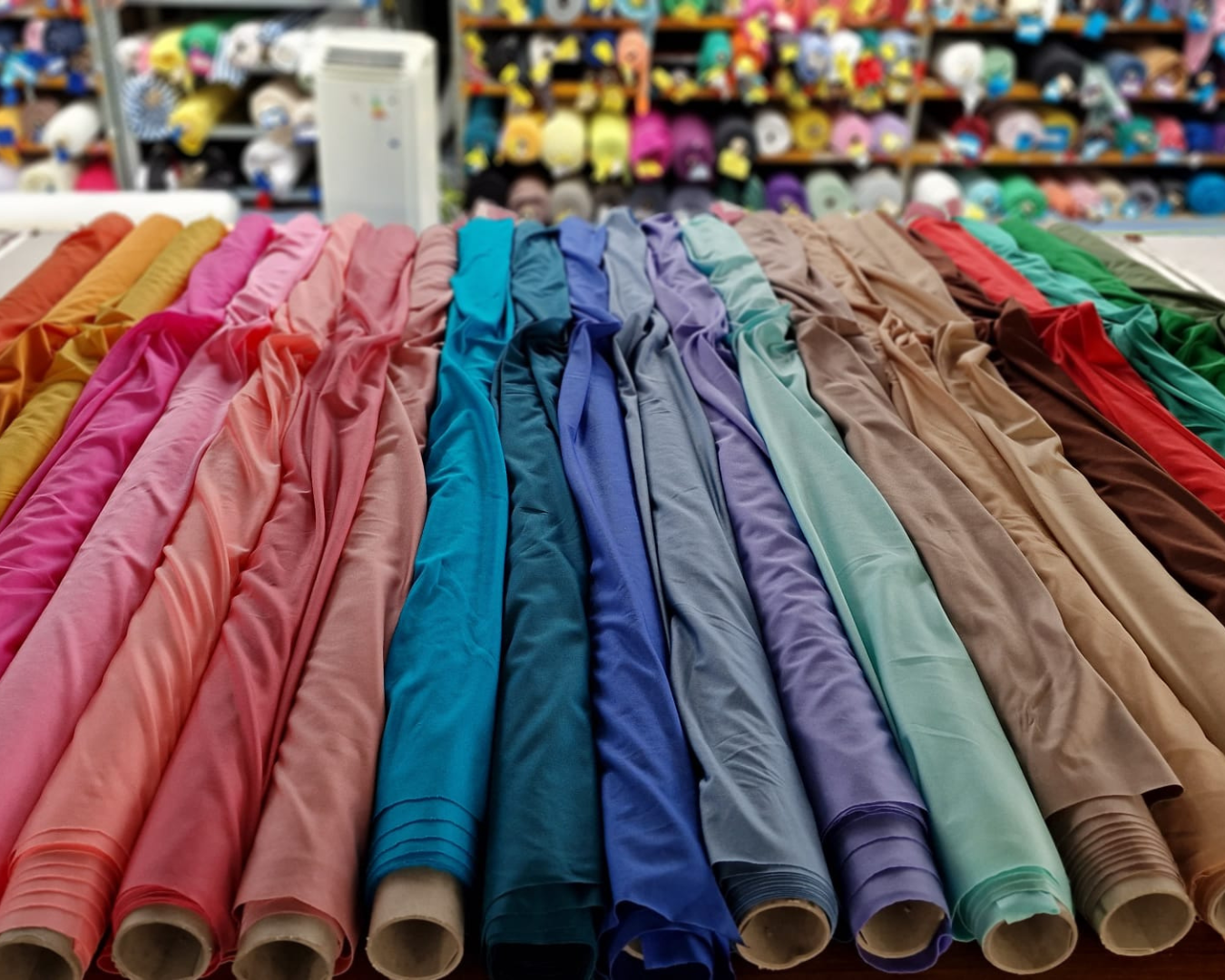

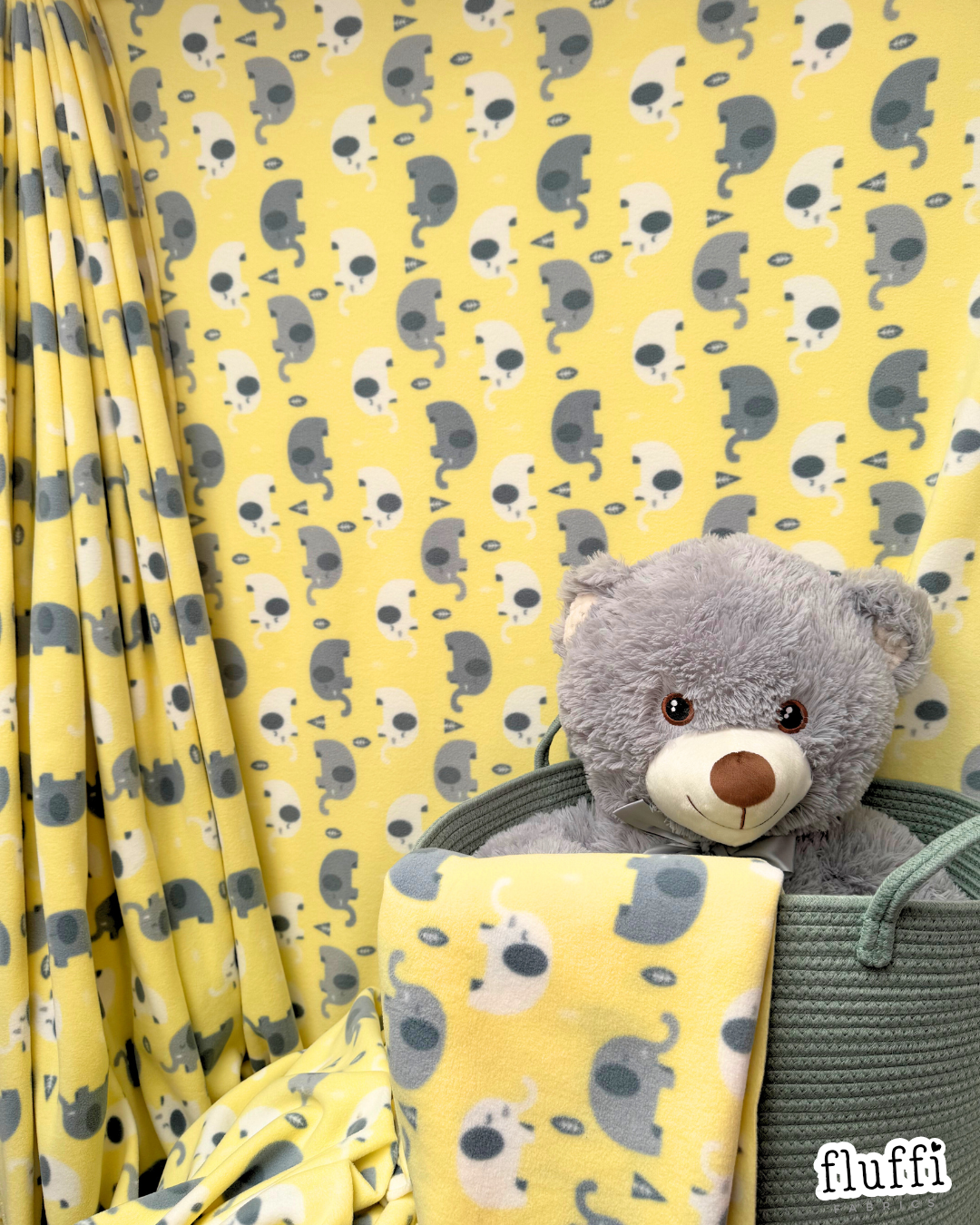
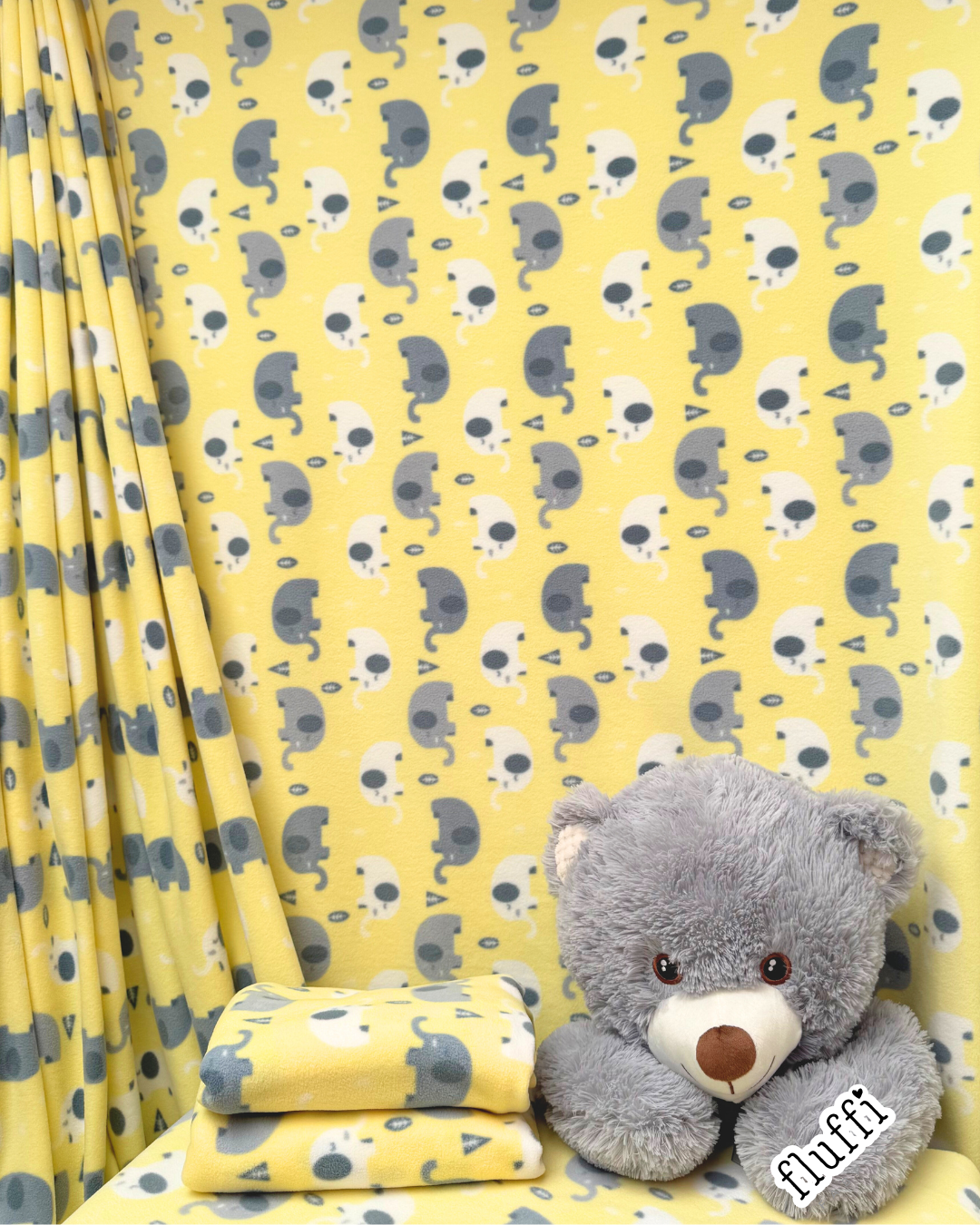
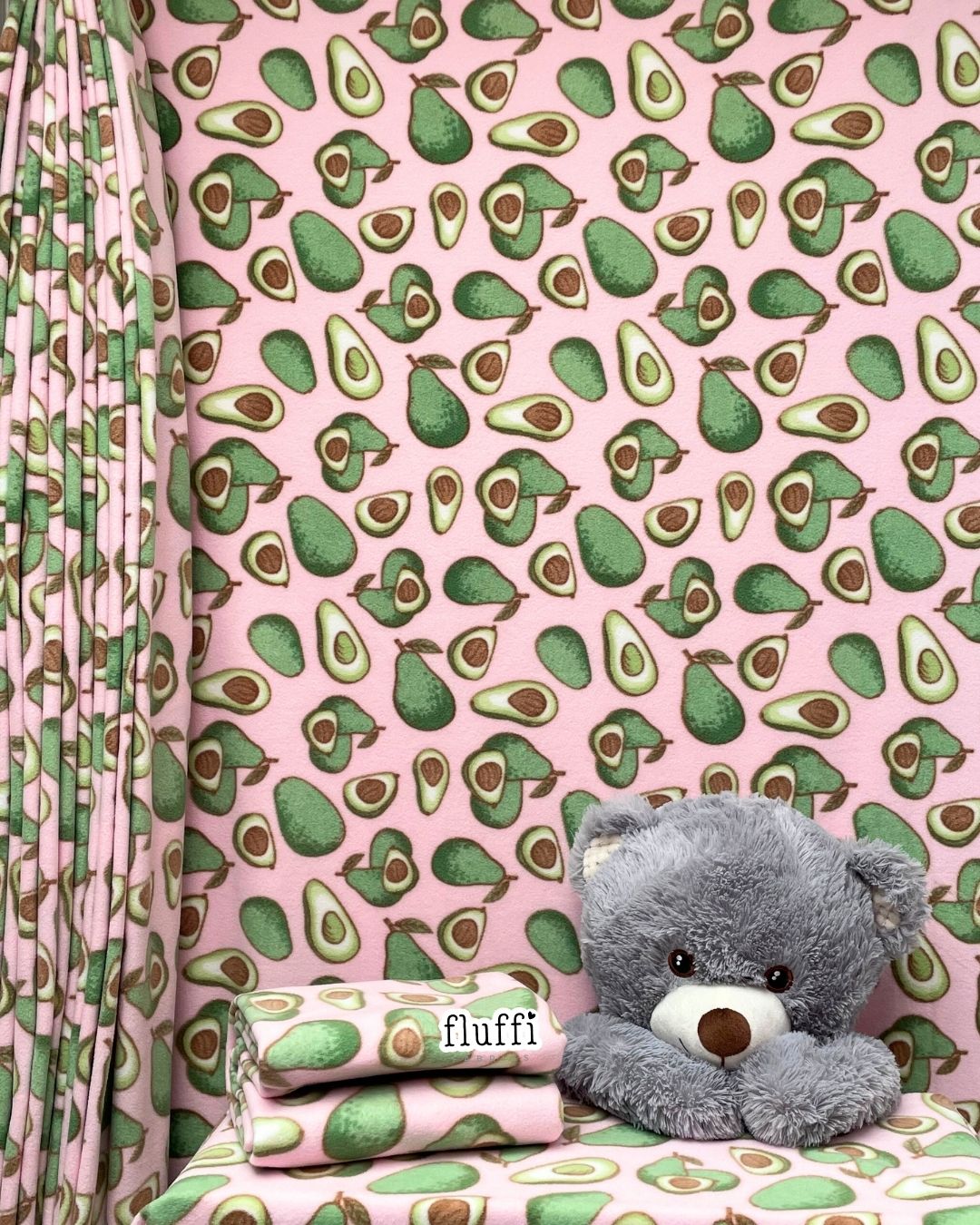

Fleece has long been a favourite for cosy creations, but behind its softness lies a fascinating world of textile science, versatility, and design potential. Whether you are a home sewer, a small-batch crafter, or a dressmaker exploring functional yet comfortable fabrics, fleece offers endless creative possibilities. Understanding the subtle differences between fleece types and their technical behaviours will help you achieve professional, lasting results in every project.
Understanding Fleece: The Fabric Behind the Warmth
Before diving into the projects, it helps to know what makes fleece so unique. Fleece is a knitted fabric, typically with a brushed surface on one or both sides that traps air, creating insulation and comfort. Most modern fleece fabrics are made from synthetic fibres such as polyester, but blends and cotton-based variations also exist.
Structure and Finish
- Knit construction: The loops in fleece are brushed to create a soft nap. This brushing raises fibres and traps warmth.
- Pile height and direction: The raised surface, or nap, varies between types. Some fleeces have a short, dense pile ideal for durability, while others have a longer, plush pile suited for softness.
- Weight and GSM: Polar fleece usually falls between 250–300gsm, offering lightweight warmth for outdoor use. Cuddle fleece (also known as Minky fleece) tends to be heavier, around 280–350gsm, while cotton fleece generally sits in the 220–300gsm range depending on blend.
Composition and Stretch
Fleece can be made entirely from polyester or from cotton blends. Synthetic fleece has good thermal performance and moisture resistance, while cotton blends provide breathability. The fabric itself has mechanical stretch across the width due to its knit structure, but limited recovery, meaning it stretches easily yet doesn’t bounce back as elastane-based fabrics do.

Key Differences Between Fleece Types
| Fleece Type | Texture & Feel | Best Uses | Key Features |
|---|---|---|---|
| Polar Fleece | Smooth, warm and resilient with a medium brushed pile. | Outerwear, blankets, pyjamas, and pet accessories. | Anti-pill, insulating, moisture-wicking, quick-drying, and durable. |
| Cuddle Fleece (Minky) | Ultra-soft, thick pile with a luxurious hand feel. | Baby blankets, robes, plush toys, and cosy home décor. | Deep pile texture, rich drape, and exceptional softness. |
| Cotton Fleece | Natural fibre blend with a smooth outer surface and soft brushed back. | Sweatshirts, joggers, hoodies, and casual loungewear. | Breathable, comfortable, and easy to sew for apparel. |
Essential Tips for Sewing with Fleece
- Needle type: Use a universal or ballpoint needle size 80/12.
- Stitch type: A narrow zigzag or stretch stitch works best to accommodate movement.
- Machine foot: A walking foot prevents fabric layers from shifting.
- Cutting and layout: Always align pieces following the nap direction to keep texture consistent.
- Seam finishing: Fleece doesn’t fray, but trimming bulk and topstitching can enhance durability.
Fleece typically has a soft handle, medium drape, and plush body, giving finished projects a structured but cosy look.
1. Custom Throw Blankets
A throw blanket is one of the simplest and most satisfying fleece projects. Use polar fleece for lightweight warmth or cuddle fleece for extra softness. Cut two layers slightly larger than your desired dimensions, place them wrong sides together, and tie or stitch around the edges. The result is a personalised blanket ideal for the sofa or as a thoughtful gift. To elevate the project, add a cotton binding or use a decorative blanket stitch for a professional edge.
2. Cosy Loungewear Sets
For apparel, cotton fleece fabric UK provides comfort and breathability while maintaining the cosy qualities of traditional fleece. Its natural fibres make it ideal for joggers, hoodies, and relaxed-fit sweaters. When cutting, pay attention to nap direction for consistent texture. Choose patterns that rely on the fabric’s slight stretch, and always pre-wash if it contains cotton to minimise shrinkage. Ribbed cuffs or elastic waistbands complete the look for casual everyday wear.

3. Baby Blankets and Comforters
Nothing rivals the softness of cuddle fleece fabrics for baby projects. The long, plush pile is soothing against delicate skin, making it perfect for baby blankets, comforters, or play mats. To avoid bulk at seams, use single-layer construction or pair with a light cotton backing. Satin bindings create a gentle tactile edge that babies love. Remember to prewash the fleece and avoid fabric softeners to maintain its silky feel.
4. Pet Beds and Cage Liners
Fleece is also excellent for pets because it’s durable, washable, and insulating. Polar fleece fabric UK stands out for this use thanks to its anti-pill surface and moisture resistance. Sew circular or rectangular covers with zips or Velcro closures for easy washing. Layer with foam or stuffing for extra comfort. Smaller offcuts can be turned into matching pet toys or travel blankets.
5. Winter Jackets and Ponchos
For outerwear, polar fleece is the material of choice. Its thermal insulation keeps warmth in while wicking away moisture. Create jackets, gilets, or ponchos using medium to heavy-weight fleece (around 300gsm). Add nylon or waterproof outer layers if you want more weather resistance. Bind edges with bias tape and use flat seams to reduce bulk. Consider a stand-up collar or half-zip design to complete the look.
6. Robes and Dressing Gowns
There’s nothing quite like wrapping up in a thick fleece robe on a cold morning. Cuddle fleece gives that spa-like luxury with its dense pile and drape. To achieve clean seams, use a walking foot and slightly longer stitch length (3mm). Topstitch edges to hold the fabric flat and prevent stretching. Large patch pockets and wide belts add both function and comfort.
7. Decorative Cushions and Throws
Fleece cushions are an easy way to introduce texture and warmth into home décor. Use contrasting fabrics, appliqué shapes, or mix different fleece types for visual variety. A cotton fleece or polar fleece cover backed with a simple zip allows for easy removal and cleaning. Combine neutral tones for minimalist interiors or choose bright colours for children’s rooms.
8. DIY Hats, Scarves, and Gloves
Fleece is naturally insulating, making it ideal for winter accessories. A single metre can yield multiple pieces.
- Hats: Use a basic beanie pattern. Add a folded brim for double warmth.
- Scarves: Cut long strips, fringe the ends, and layer two colours for contrast.
- Gloves or mittens: Use fleece with a shorter pile for better grip and flexibility.
For outdoor use, polar fleece’s breathability ensures comfort without overheating.
9. Plush Toys and Soft Animals
Cuddle fleece, often referred to as Minky, gives plush toys their signature softness. Its pile direction adds realism to animal shapes, while its stretch allows smooth curved seams. Stabilise smaller pieces with interfacing and clip curves carefully to prevent puckering. Lightweight polyester filling complements the soft outer shell perfectly. Handmade fleece toys make excellent gifts for children or personalised keepsakes.
10. Quilted Fleece Throws and Bedspreads
For a more advanced project, combine fleece layers with light wadding to create a quilted throw. Use cotton fleece for a breathable, natural touch or polar fleece for better insulation. Baste all layers before quilting and use a walking foot for even feeding. Simple straight-line or diamond quilting patterns showcase the fabric’s texture beautifully. The finished piece can double as a bedspread or travel blanket.
Performance and Durability
High-quality fleece is known for its resilience. Anti-pill finishes prevent the surface from becoming fuzzy over time. Polyester-based fleece dries quickly and resists shrinking, while cotton fleece offers a softer, more natural wear. When sewing garments, note that fleece has a low drape, so designs with structure like hoodies, joggers, or coats will hold their shape better than flowing silhouettes.
Care and Maintenance
- Wash at 30°C with mild detergent.
- Avoid fabric softeners; they coat fibres and reduce softness.
- Air dry or tumble dry on low heat.
- Do not iron directly; use a pressing cloth if needed.
These simple steps keep the nap smooth and prolong the life of your handmade creations.
Bringing It All Together
From fashion to interiors, fleece fabric offers creative freedom without compromising comfort. Each variation—polar, cuddle, or cotton—has unique strengths suited to different needs:
- Polar fleece excels in durability and outdoor performance.
- Cuddle fleece provides plush, luxurious softness.
- Cotton fleece balances warmth and breathability for daily wear.
Whether you are crafting a cosy blanket, tailoring a soft hoodie, or designing a plush toy, understanding the technical nature of fleece helps you create pieces that last, feel wonderful, and look professional.
Conclusion
The beauty of fleece lies in its adaptability. By choosing the right type for the right project, you can turn simple fabric into extraordinary creations that combine practicality, comfort, and style. With the right tools, careful cutting along the nap, and attention to detail, every piece you make becomes a showcase of both creativity and craftsmanship.