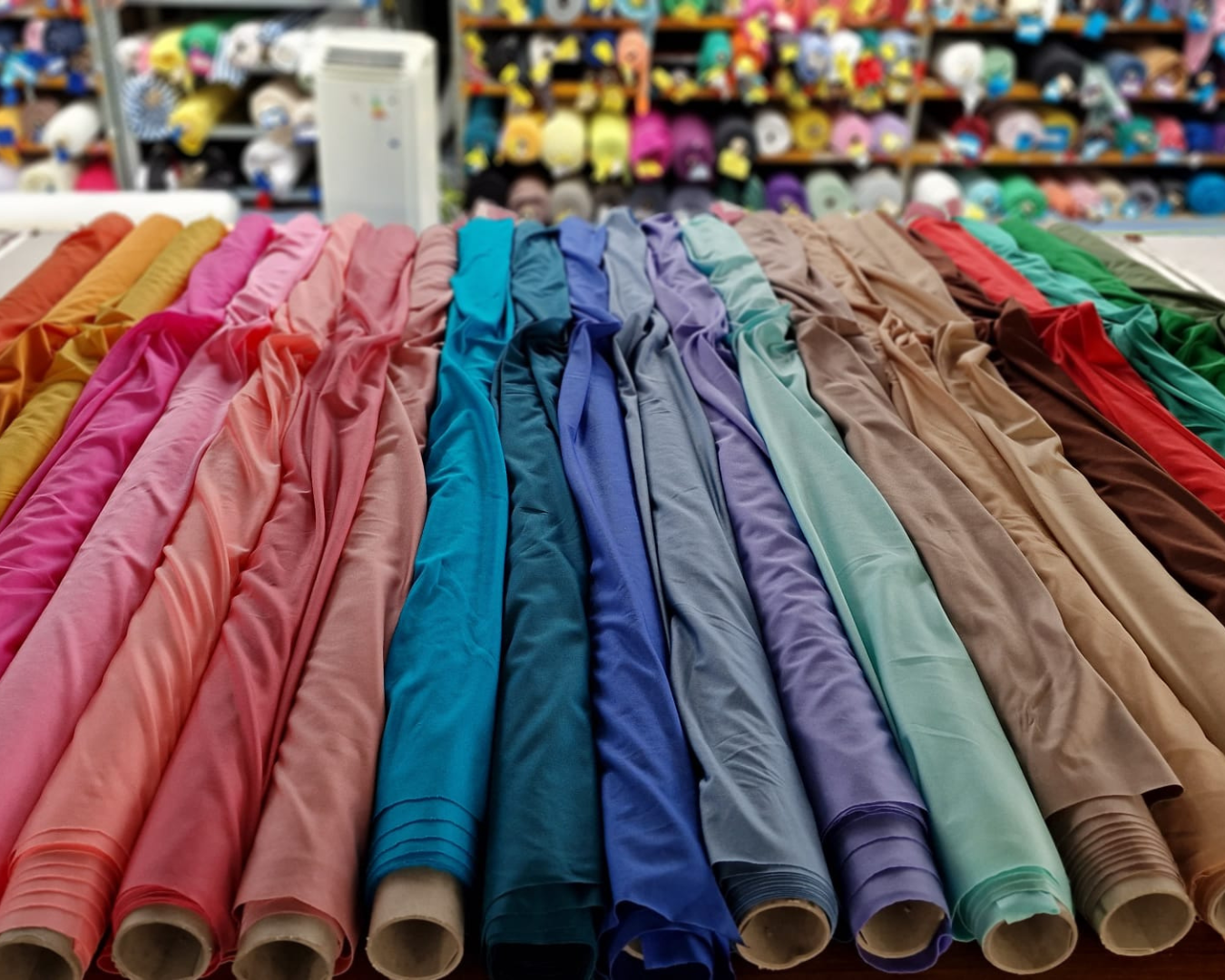

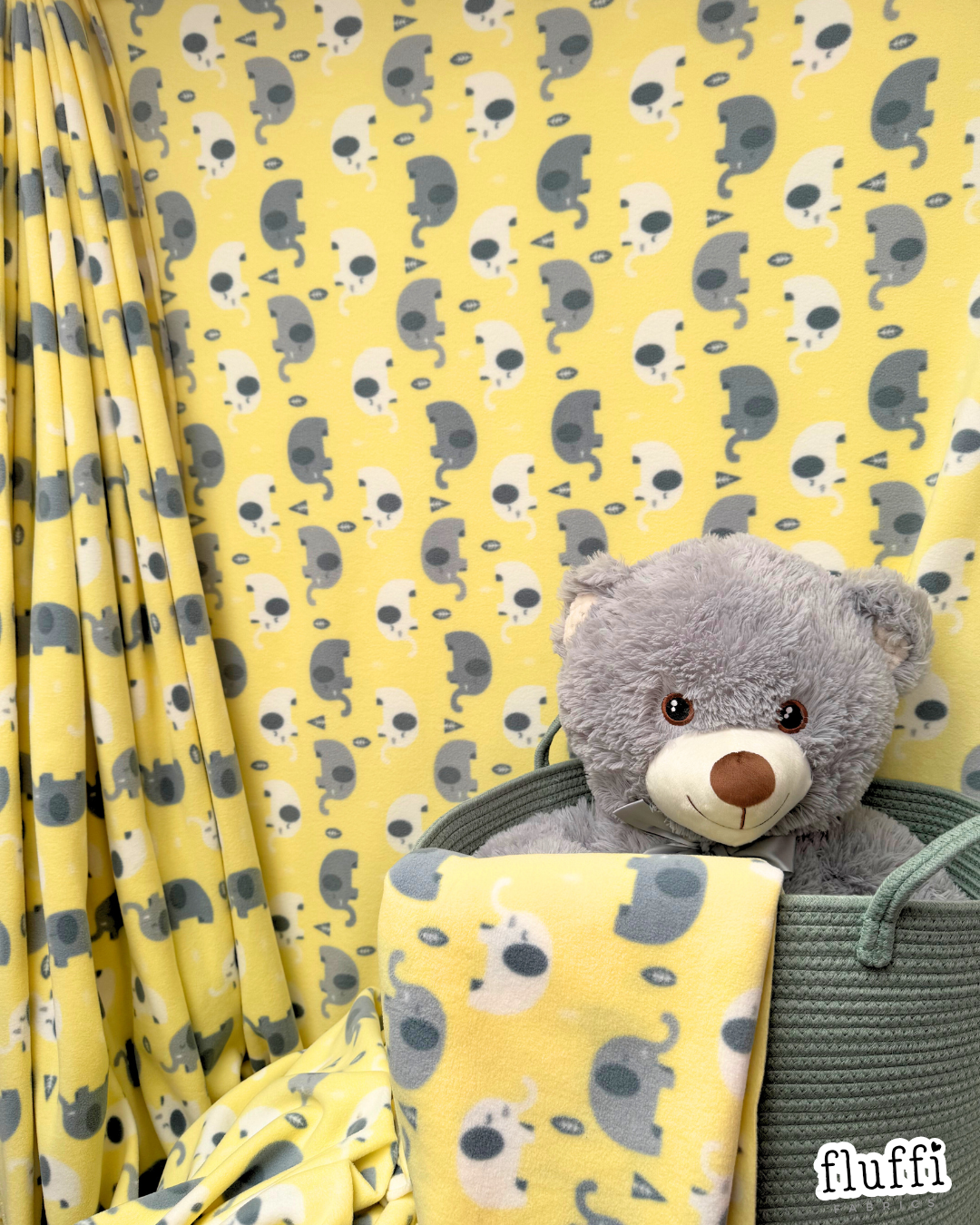
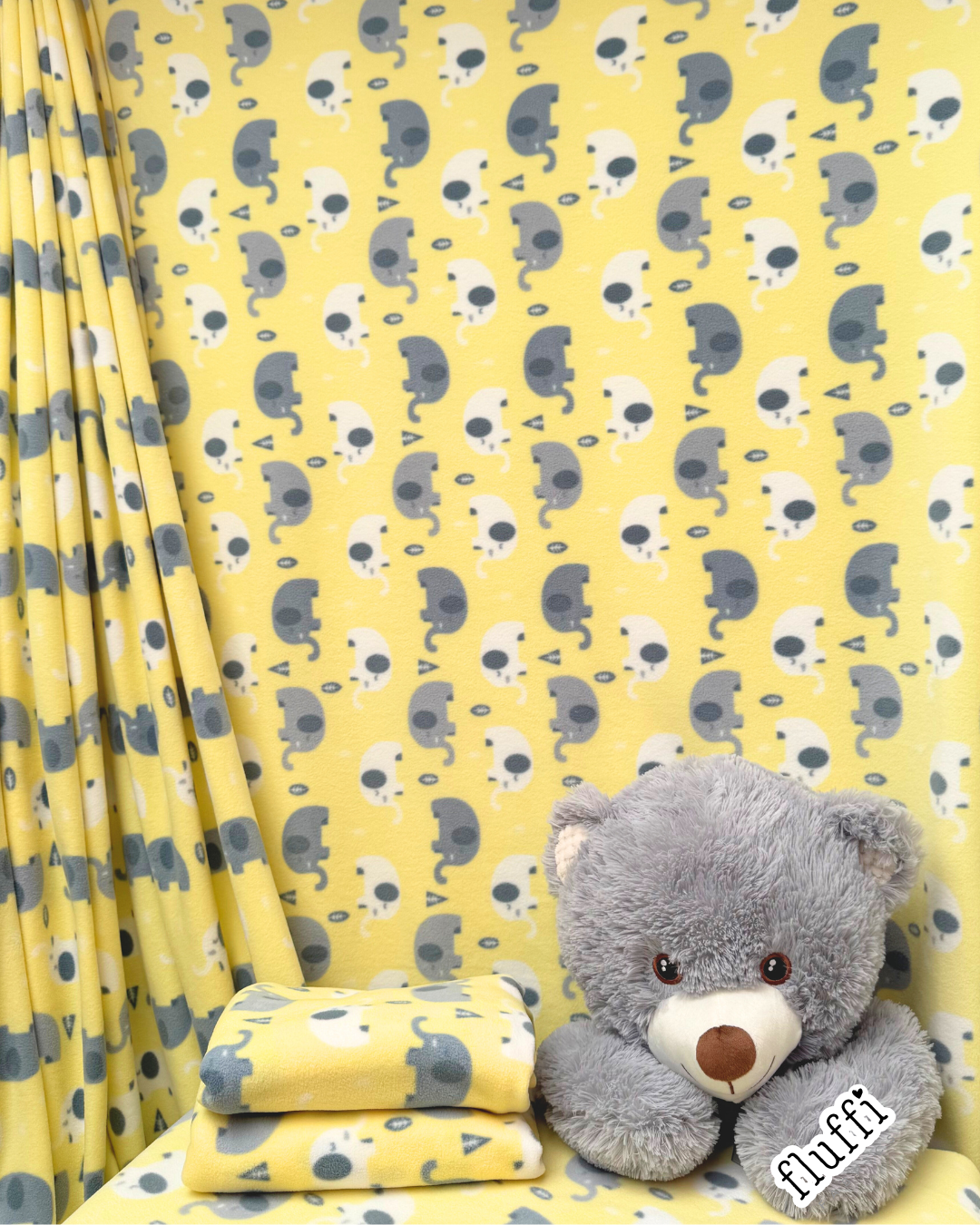
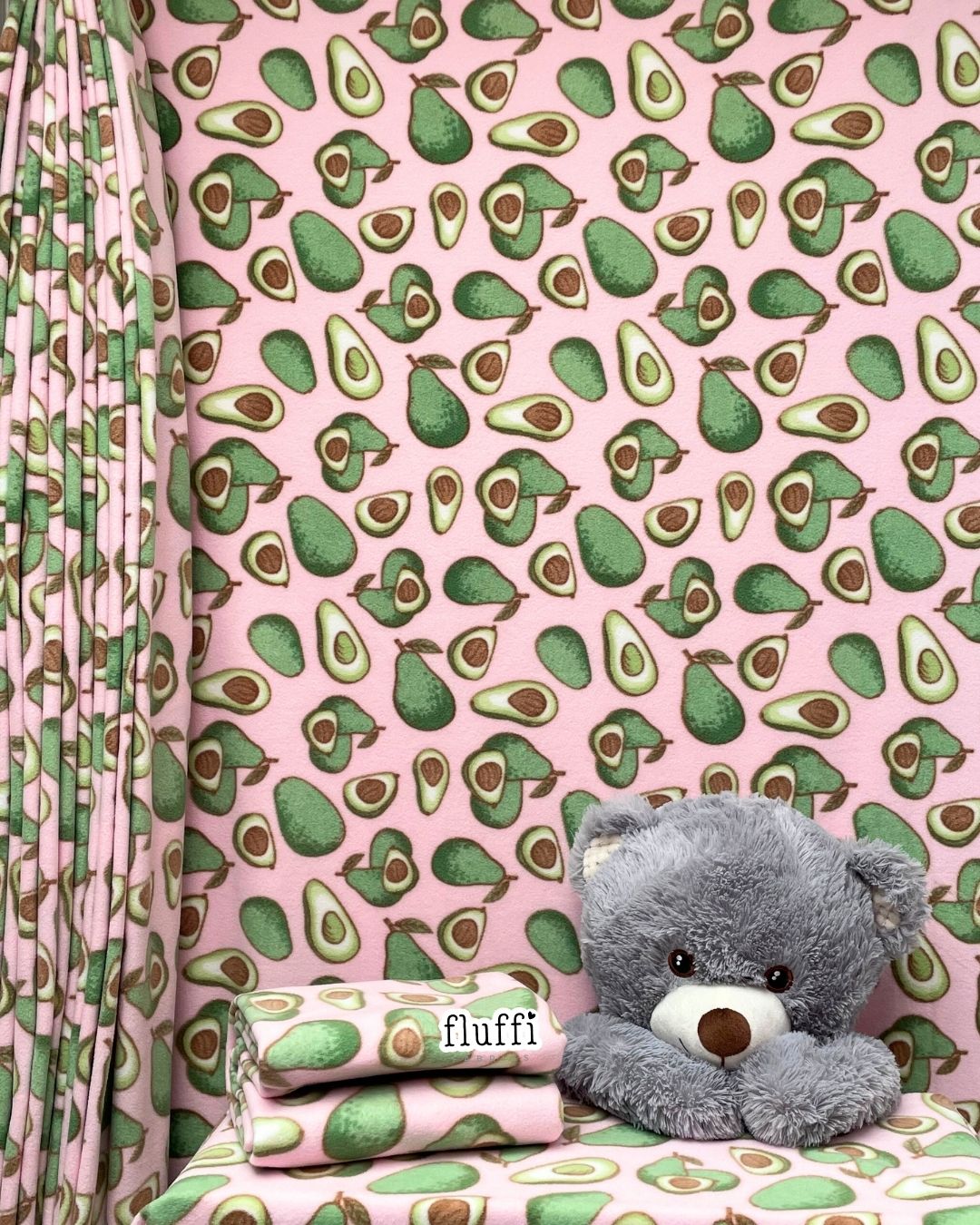
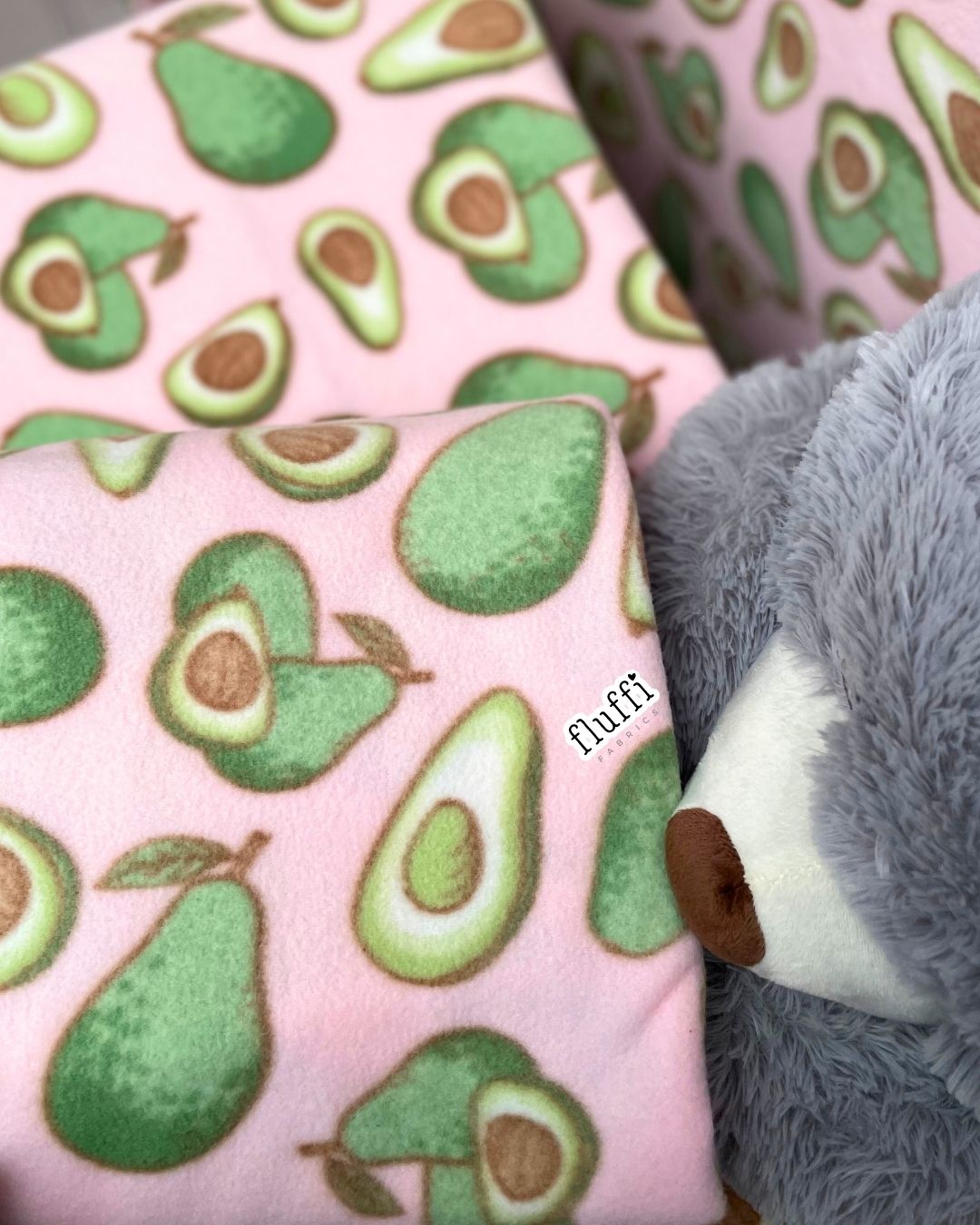
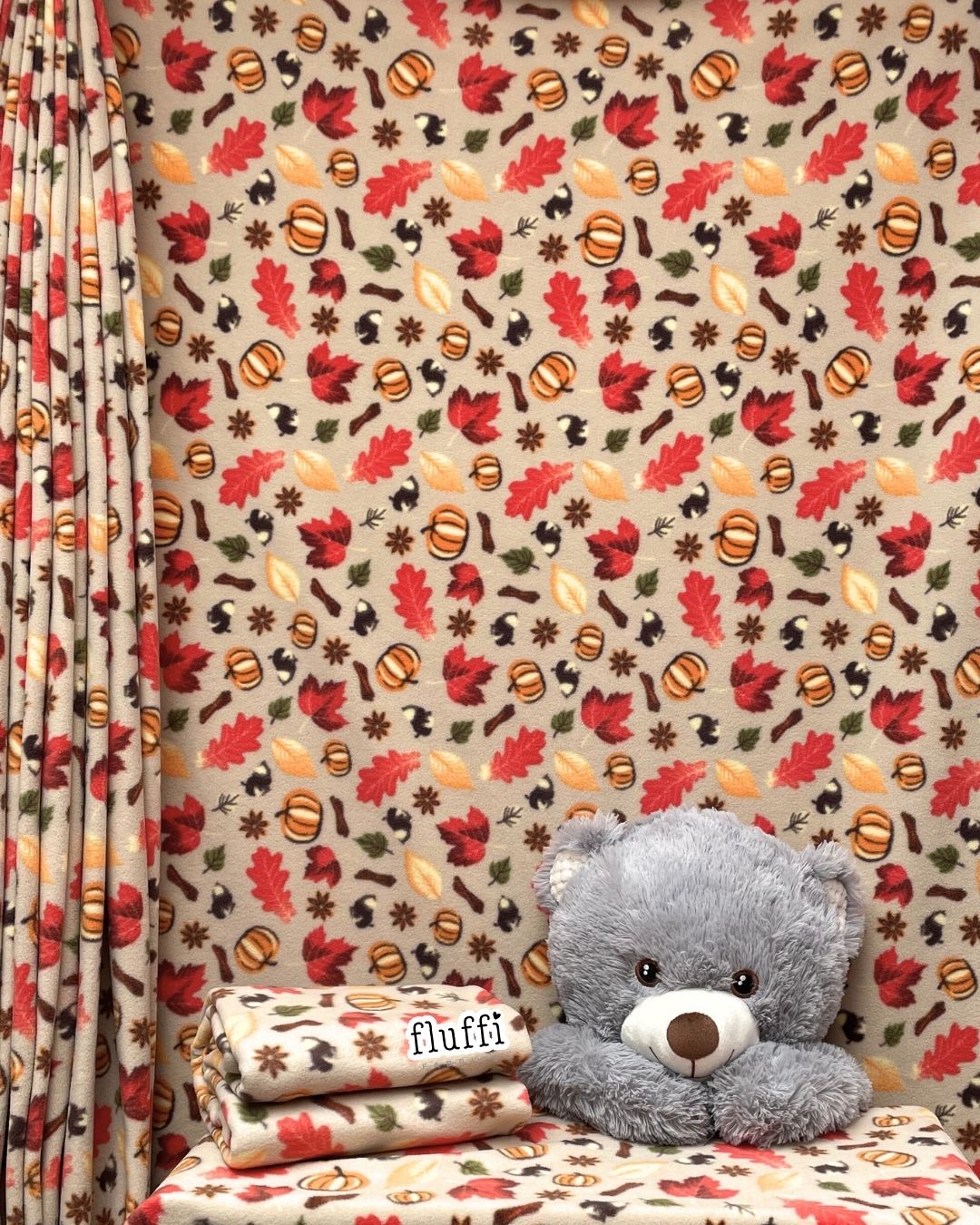
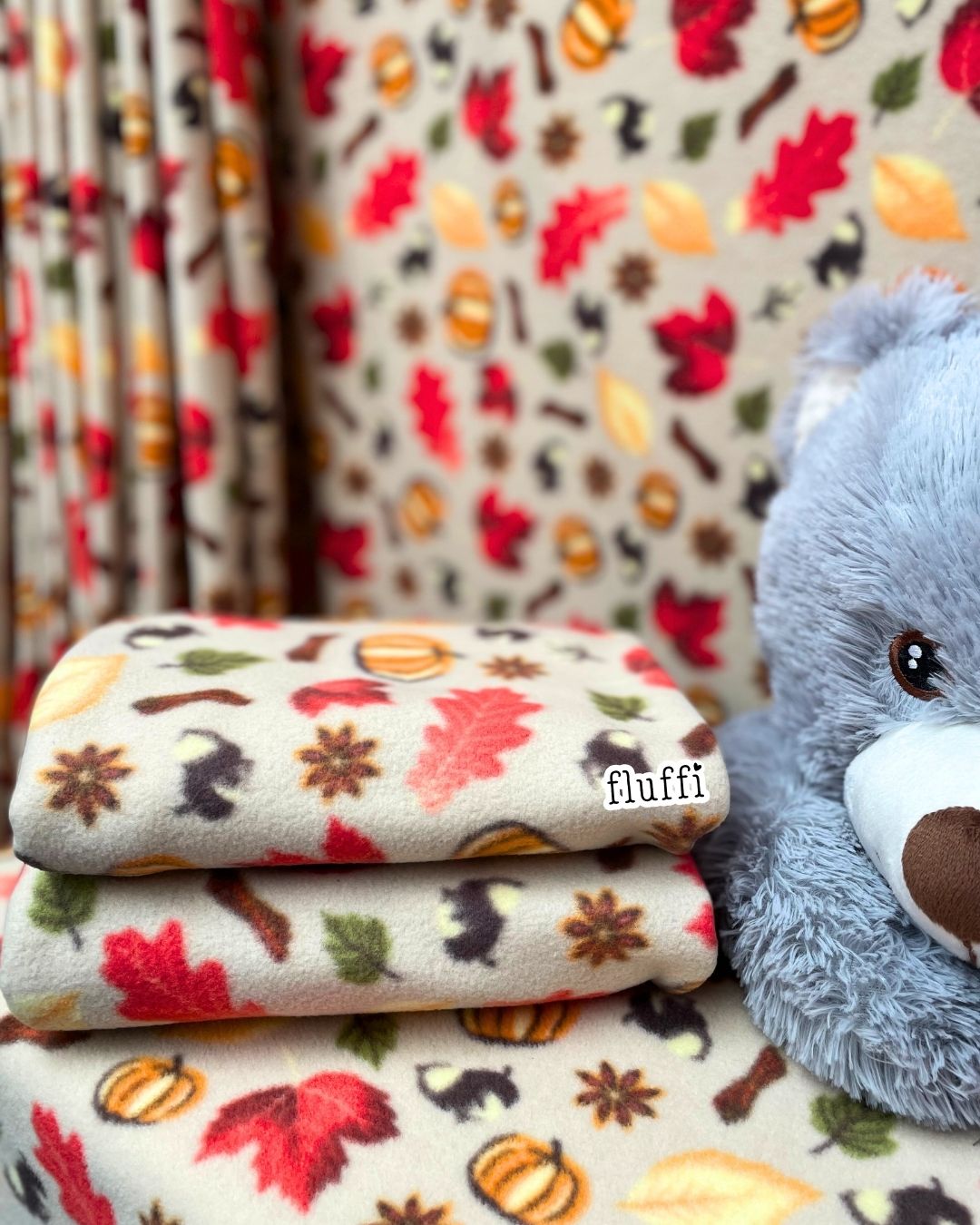
Choosing the right material is the foundation of creating a well-performing blanket. Whether you are sewing, quilting, or crafting a handmade design, the fabric determines softness, airflow, warmth, durability, and long-term comfort. This is especially important when selecting blanket fabric UK, because different fibres behave very differently under weight, stitching pressure, layering, and washing. Understanding how each fabric performs will help crafters and makers choose materials that match their blanket type perfectly.
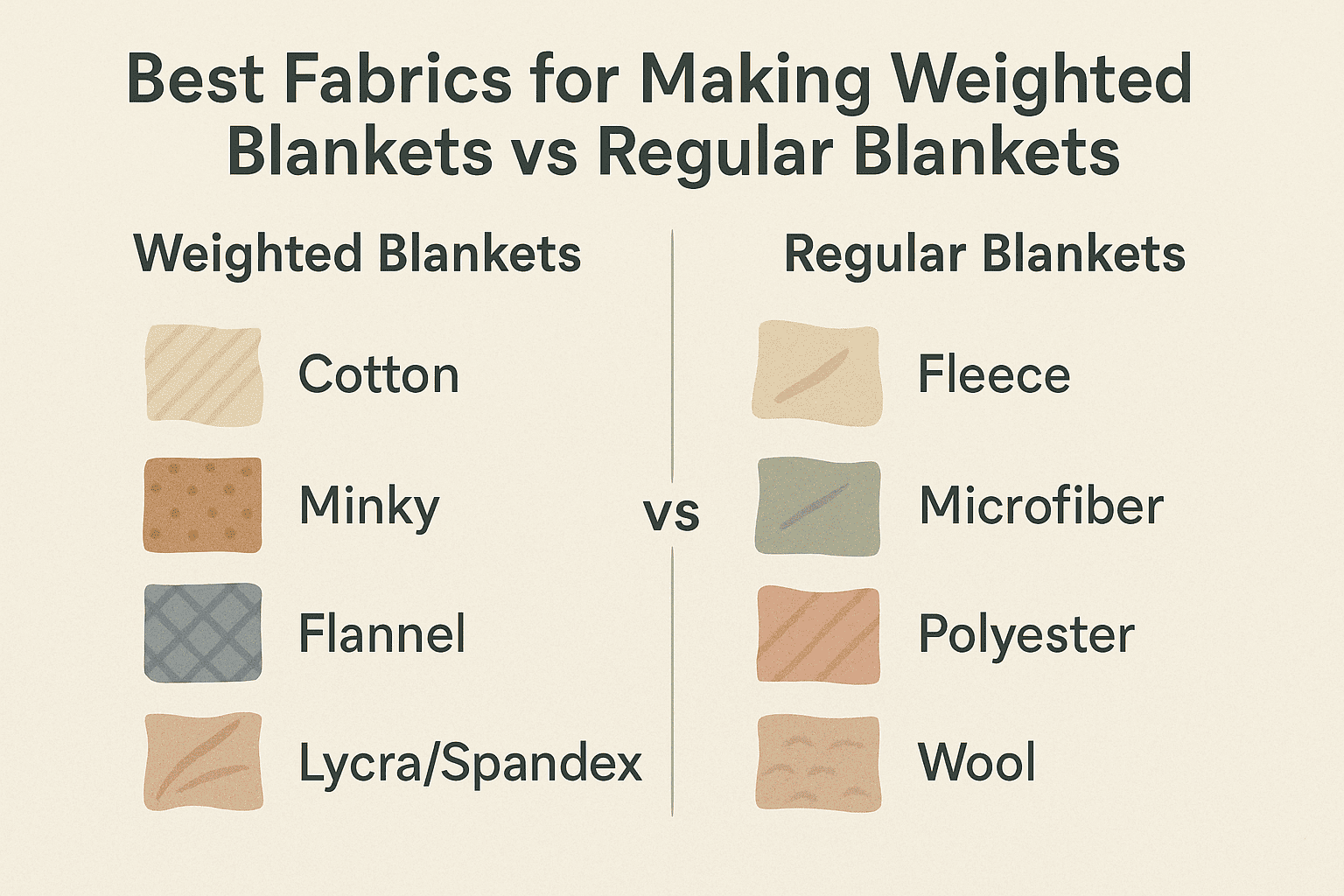
Weighted blankets and regular blankets require completely different fabric characteristics. Weighted blankets need outer fabrics that can support internal filling and remain stable when quilted. Regular blankets focus more on insulation, drape, softness, and breathability. By comparing materials like cotton, bamboo, viscose, microfiber, fleece, wool, and cotton blends, you can create blankets that feel comfortable during use and perform well across seasons. This comparison will also help readers searching for textures similar to fleece blankets UK, guiding them toward the correct fabric based on warmth, softness, and technical behaviour.
How Different Fabrics Perform When Sewing, Quilting, and Crafting Blankets?
Blanket-making requires more than simply choosing a fabric that feels good. Each fibre reacts differently to stitching, machine sewing, quilting lines, and overall handling. Understanding these behaviours ensures your finished blanket maintains its structure and comfort.
When sewing weighted blankets:
- Fabrics must remain stable under pressure
- Weave strength matters for stitching pockets
- Breathability prevents overheating
-
Smooth or textured surfaces change sensory experience
When crafting regular blankets:
- Loft and GSM determine warmth
- Drape affects comfort when sleeping
- Texture influences tactile feel
- Breathability controls airflow
Fabric Comparisons for Weighted Blanket Covers
Weighted blankets rely heavily on fabric strength, airflow, and durability. Below is a technical comparison of the most suitable materials.
Cotton vs Bamboo vs Microfiber
Cotton
Cotton is strong, breathable, and easy to quilt. It handles stitching stress well, which prevents tearing around bead-filled pockets.
Technical behaviour:
- Natural fibre with excellent airflow
- Medium to high durability, depending on weave
- Ideal GSM: 120–200 for comfort and breathability
- Suitable for year-round weighted blankets
- Easy to wash and maintain
Fluffifabrics Cotton Collections
Bamboo Viscose
Bamboo viscose is silky, moisture-wicking, and naturally cool. It drapes beautifully over weighted fillings and provides a luxury feel.
Technical behaviour:
- Higher moisture absorption than cotton
- Very breathable and temperature-regulating
- Smooth surface suitable for sensory blankets
- Works well for summer-weight covers
- Requires gentle washing
Microfiber
Microfiber and minky-style fabrics offer plush softness and warmth. Their denser fibres create a cosy sensory experience.
Technical behaviour:
- High GSM for warmth
- Slight stretch that improves drape
- Less breathable than natural fibres
- Best for winter covers
- Very durable and resistant to wear
Fabric Comparisons for Regular Blankets
Regular blankets depend on insulation, texture, drape, and long-term softness.

Fleece vs Wool vs Cotton
Fleece
Fleece is warm, soft, and easy to handle, making it ideal for beginners and DIY projects.
Technical behaviour:
- Synthetic fibre with strong insulation
- Available in multiple GSM weights
- Does not fray. excellent for no-sew blankets
- Retains colour vibrancy
- Quick drying and low maintenance
Fluffifabrics Fleece Collections
Wool
Wool is naturally insulating and breathable. It keeps warmth in while releasing moisture.
Technical behaviour:
- High thermal regulation
- Dense fibres trap warm air efficiently
- Durable and long-lasting
- May feel textured or coarse unless blended
- Requires special washing
Cotton
Cotton is soft, lightweight, and breathable, ideal for warmer climates or summer blankets.
Technical behaviour:
- Excellent airflow
- Smooth drape and soft touch
- Lower insulation than fleece or wool
- Ideal for quilted blankets
- Easy to wash
Thermal Properties, Breathability, Softness and GSM Differences
Fabric selection affects how a blanket feels and performs.
Thermal Properties
- Fleece and wool provide the highest warmth due to dense fibres.
- Cotton and bamboo remain cool and breathable.
- Microfiber retains heat, making it best for winter use.
Breathability
- Cotton and bamboo have open natural fibres that allow airflow.
- Fleece and microfiber hold warmth for longer.
- Wool balances heat and moisture beautifully.
Softness & Texture
- Bamboo viscose: silky and luxurious
- Fleece: plush and cosy
- Cotton: smooth and crisp
- Microfiber: velvety and warm
- Wool: textured but insulating
GSM Differences
GSM directly affects warmth, thickness, and drape.
- Low GSM (120–180): lightweight, breathable
- Medium GSM (200–260): balanced warmth
- High GSM (280+): thick, plush, winter-ready
How Fabric Choice Affects Blanket Warmth, Airflow, Durability and Maintenance?
Warmth
Higher GSM fleece or wool gives excellent insulation. Cotton and bamboo are better for neutral or warm sleepers.
Airflow
Open natural fibres help regulate temperature and reduce sweating. Synthetic fibres trap heat.
Durability
Cotton and microfiber withstand repeated washing. Bamboo remains soft but needs gentle cycles. Wool lasts for years when cared for properly.
Maintenance
- Cotton: machine-wash friendly
- Fleece: low-maintenance, quick dry
- Bamboo: gentle wash recommended
- Wool: hand-wash or specialist cleaning
How to Choose Fabrics for Different Blanket Types?
Weighted Blankets
Choose:
- Cotton for strength and airflow
- Bamboo for cooling
- Microfiber for warmth
Avoid: loosely woven fabrics that cannot support internal filling weight.
Regular Blankets
Choose:
- Fleece for warmth and softness
- Wool for superior insulation
- Cotton for lightweight, breathable blankets
Best DIY Blanket Fabric Choices
DIY makers should select fabrics based on:
- Purpose. warmth or cooling
- Season. winter or summer
- Sewing experience
- Washing routine
- Sensory feel preference
Conclusion
Selecting the right fabric is the most important step in crafting a comfortable, durable, and season-appropriate blanket. Weighted blankets perform best with strong, breathable materials such as cotton, bamboo, viscose, or microfiber. Regular blankets rely on fabrics like fleece, wool, and cotton for insulation, softness, and drape. Understanding GSM levels, fibre composition, thermal behaviour, and sewing characteristics ensures that each blanket suits its intended purpose. When browsing materials for DIY or professional projects, exploring a varied UK fleece blanket collection will help you match warmth, softness, and performance with the needs of your design.