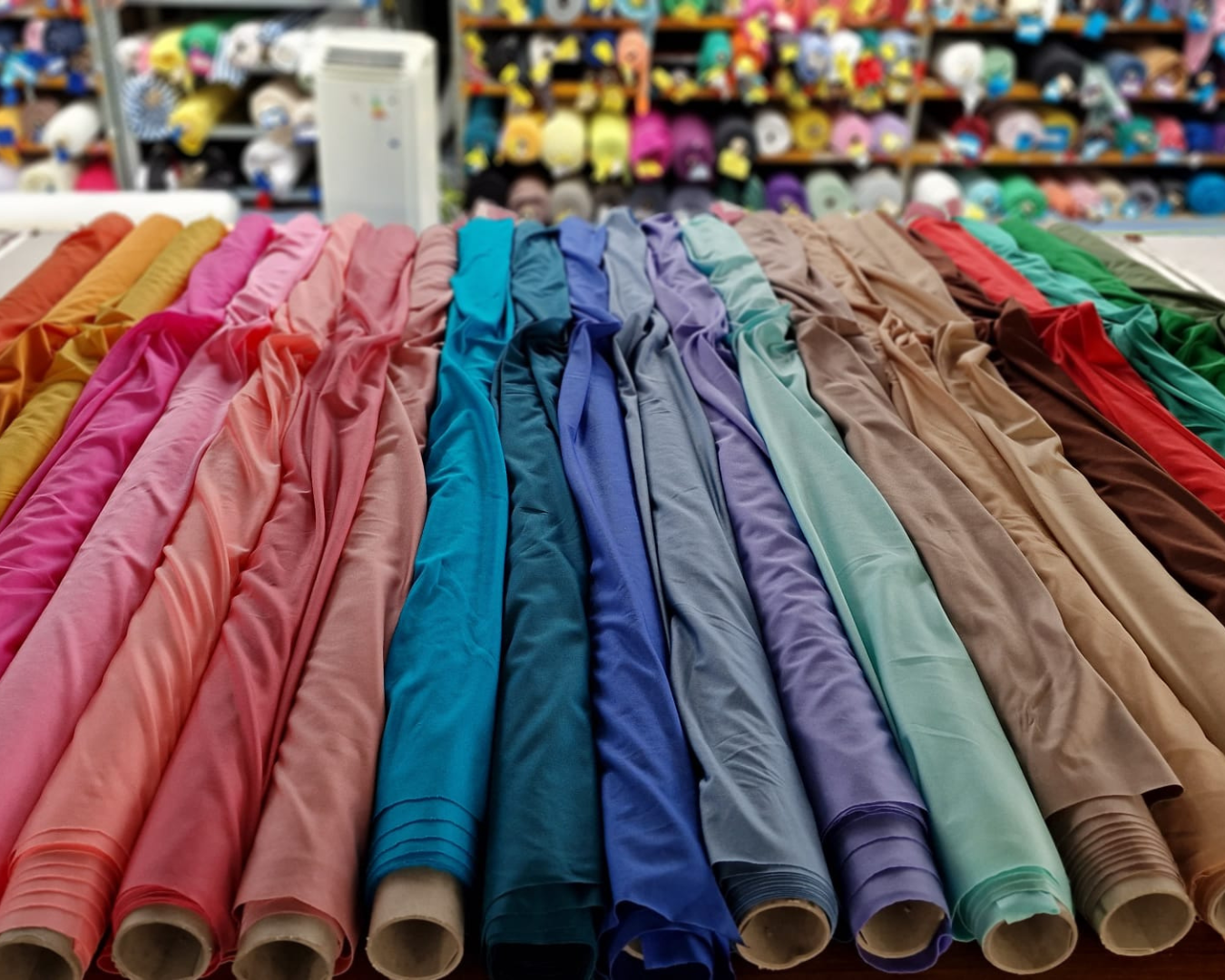

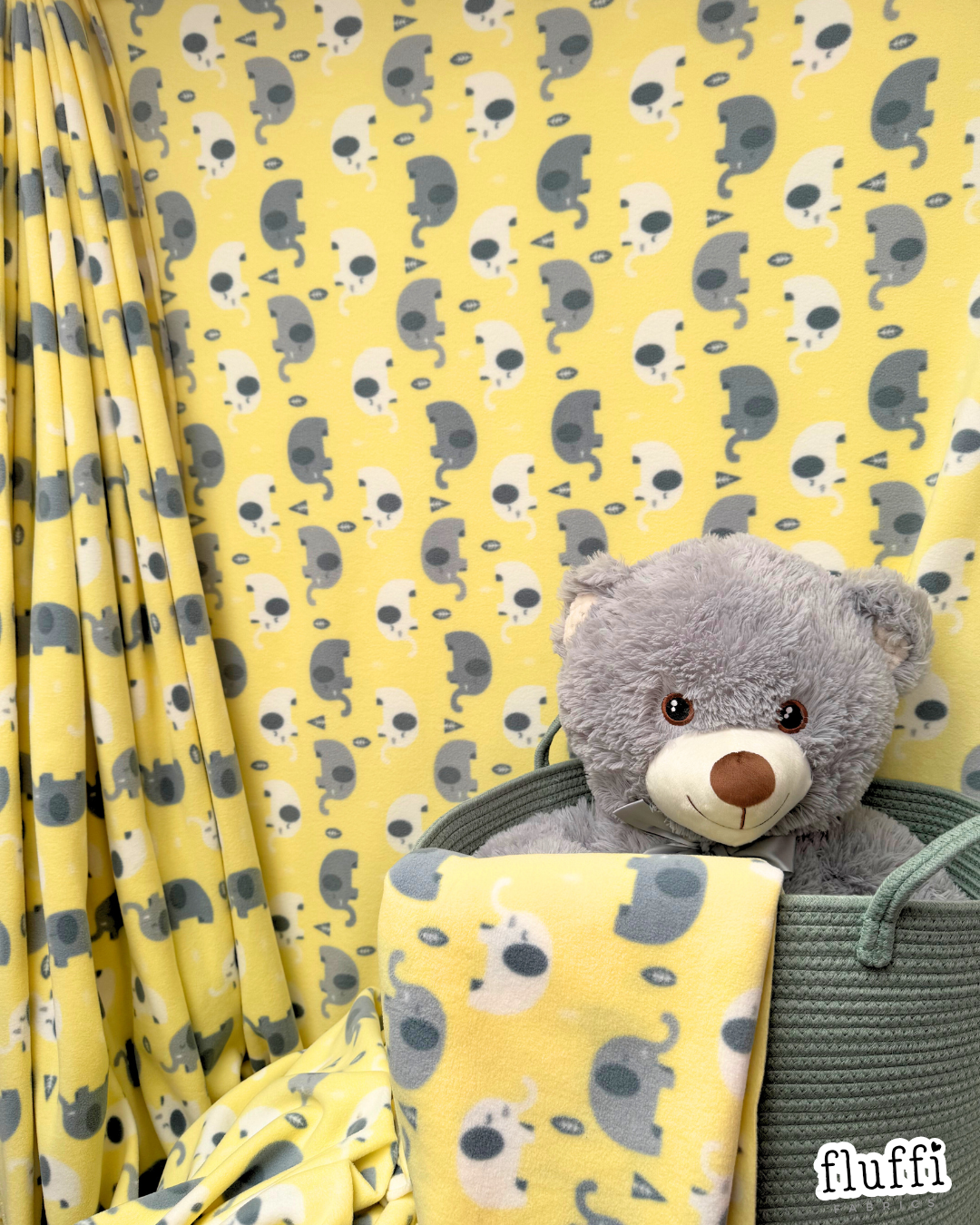
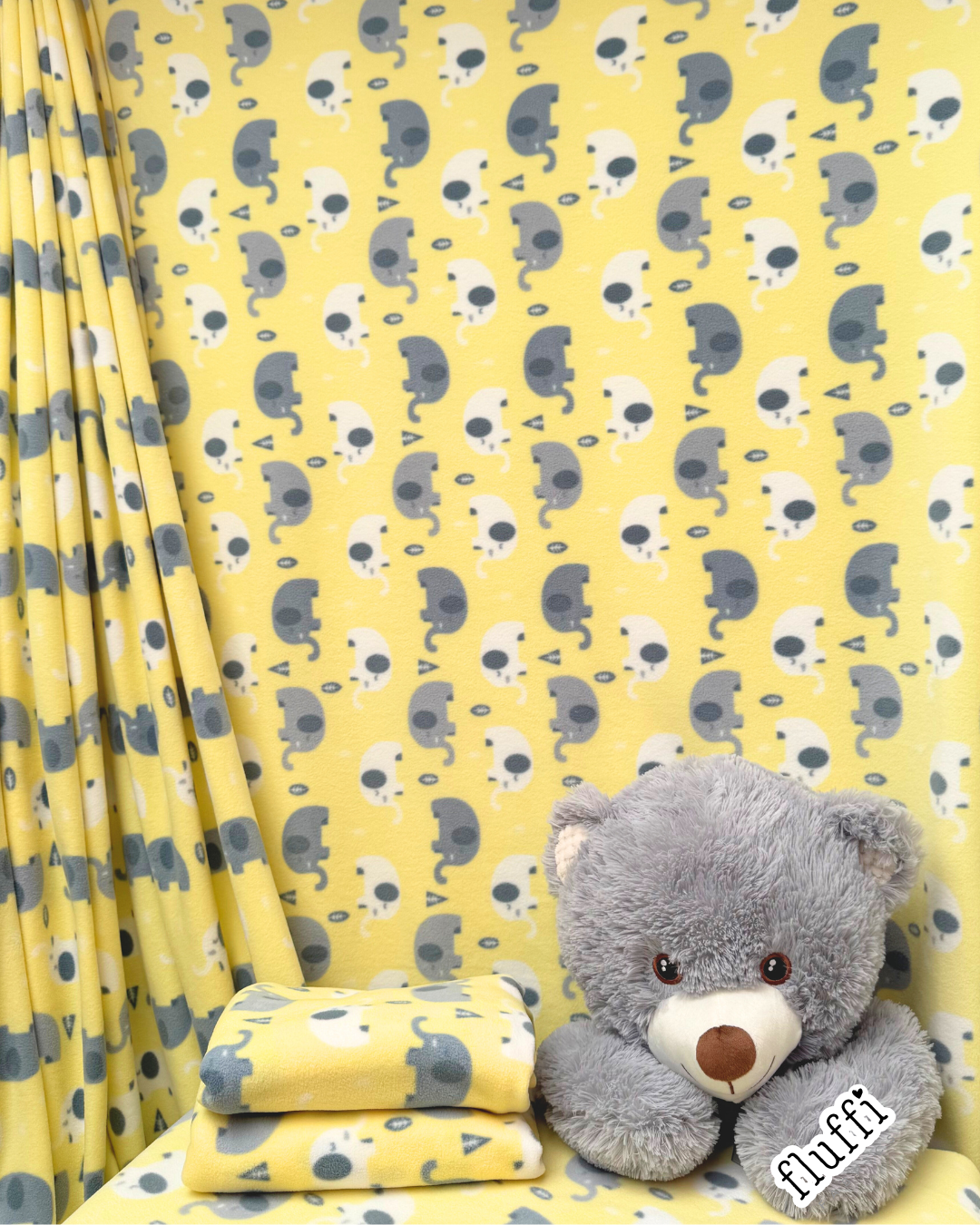
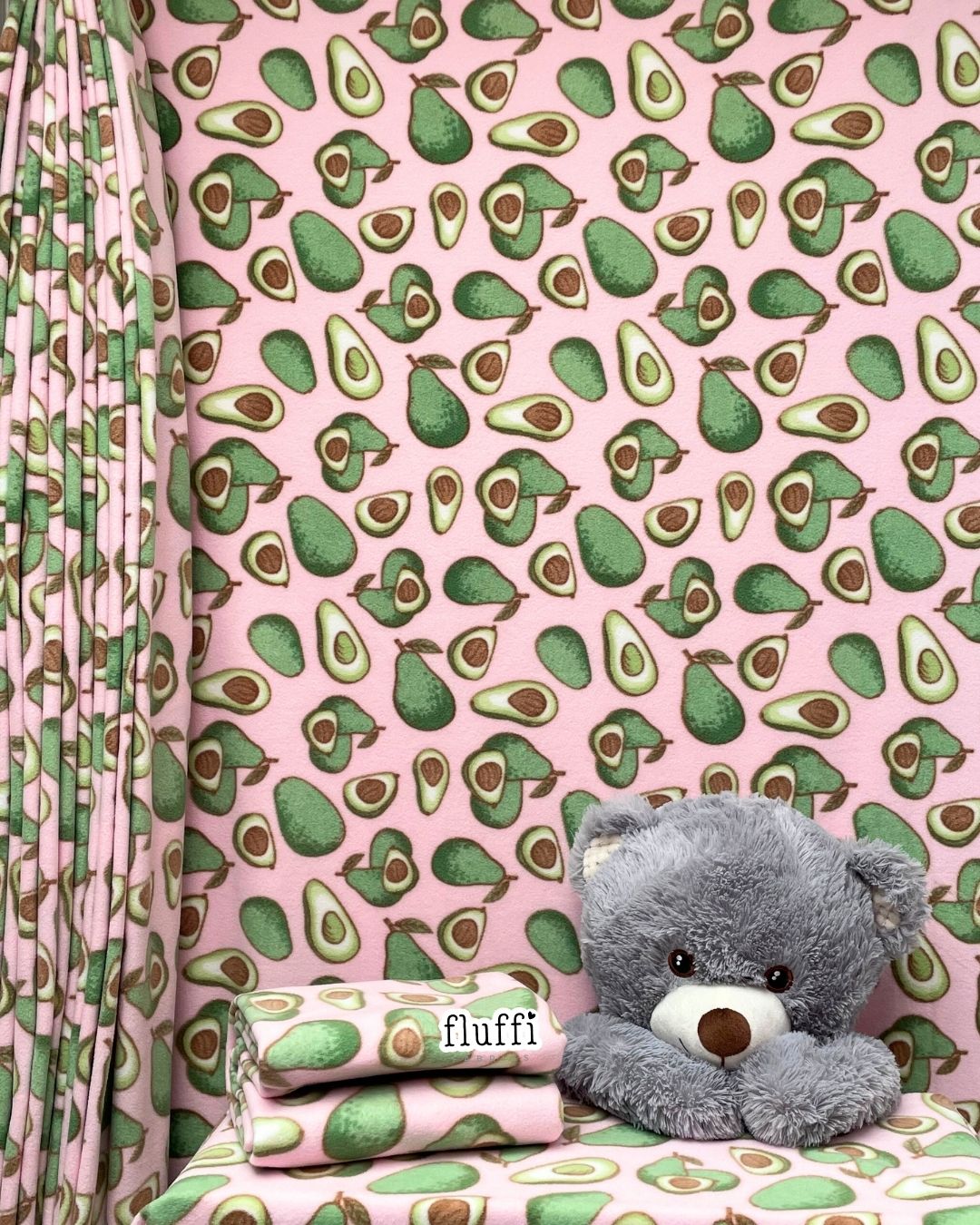

Fleece fabric has become one of the UK’s most loved materials for sewing, crafting, and home décor. It’s soft, affordable, easy to work with, and ideal for the colder months. But if you’ve ever shopped online for fleece, you’ll have come across two common types: polar fleece and regular fleece.
At first glance, they appear very similar. Both are warm and cosy. Both are made from synthetic fibres, usually polyester. Yet, when it comes to durability, feel, insulation, and price, the two fabrics perform quite differently.
If you’re planning to buy fleece in the UK or wondering which type is best for your project, this detailed comparison will help you make the right choice.

Understanding Fleece: The Fabric Behind the Warmth
Fleece is a soft, knitted fabric made from polyester yarns that are brushed to create a fluffy, insulating texture. It was originally developed as a lightweight alternative to wool, offering similar warmth without the heaviness or itchiness.
Over time, textile innovation has created several fleece varieties, each with unique performance benefits. Regular fleece represents the entry-level version, soft, lightweight and breathable, while polar fleece is the premium grade, known for its density, warmth, and long-lasting finish.
Both are versatile and perfect for the UK climate, especially during autumn and winter, but understanding their strengths and differences can help you choose wisely and save money in the long run.
What Is Regular Fleece?
Regular fleece, also known as polyester fleece, is a medium-weight synthetic fabric designed to trap heat while allowing for airflow. It’s the go-to fabric for everyday sewing and craft projects.
Main Qualities
- Soft brushed texture on one or both sides
- Lightweight, flexible, and breathable
- Provides moderate warmth for everyday use
- Easy to sew and maintain
- May show pilling (surface bobbling) over time
Common Uses
Regular fleece is ideal for:
- Children’s clothing and pyjamas
- Lightweight blankets and throws
- Pet beds and accessories
- Dressmaking projects for autumn or spring
- Hobby sewing, costumes, and soft furnishings
Fluffi Fabrics’ Reasonable Prices Compared To Other Stores or Suppliers
Regular fleece fabrics are widely available and budget-friendly. Average UK retail price: £5–£8 per metre, depending on weight and print.
At Fluffi Fabrics, you’ll find regular fleece in dozens of colours and patterns, all soft, machine-washable and great value.
What Is Polar Fleece?
Polar fleece is a denser, heavier and more insulating version of fleece. It is manufactured with a tighter weave and thicker pile, making it ideal for winter garments and outdoor use.
This fabric is often treated with an anti-pill finish, ensuring that it retains a smooth surface after repeated washing and wearing. It’s designed to be functional, long-lasting, and exceptionally warm without adding bulk.
Main Qualities
- Double-sided, ultra-soft brushed texture
- Superior warmth and wind resistance
- Anti-pill surface that prevents bobbling
- Highly durable and quick-drying
- Slightly heavier drape for structured projects
Common Uses
Polar fleece is perfect for:
- Winter jackets, gilets, and hoodies
- Camping and outdoor blankets
- Dog coats and pet accessories
- Throws, hats, scarves and gloves
- Home décor projects for the colder months

Polar Fleece Anti-Pill Soft Washable Fabric - Solid Colours Turquoise
Fluffi Fabrics’ Reasonable Prices Compared To Other Stores or Suppliers
Polar fleece usually costs slightly more than regular fleece, typically £8–£12 per metre. The higher density and anti-pill treatment make it a premium fabric that lasts longer, providing excellent long-term value.
Key Comparison: Polar Fleece vs Regular Fleece
| Feature | Regular Fleece | Polar Fleece |
|---|---|---|
| Warmth | Moderate – suitable for everyday indoor wear | High – ideal for outdoor use and cold weather |
| Thickness | Medium weight | Heavier and denser |
| Durability | Prone to thinning over time | Very durable, holds shape and finish |
| Pilling Resistance | May pill after washing | Anti-pill treated, resists bobbling |
| Breathability | More breathable | Slightly less breathable due to density |
| Weight | Lightweight | Medium to heavy |
| Softness | Soft | Ultra-soft, plush texture |
| Price (UK Average) | £5–£8 per metre | £8–£12 per metre |
| Best Use | Indoor clothing, loungewear, baby projects | Outdoor wear, camping blankets, winter gear |
| Overall Value | Affordable and versatile | Premium warmth and longevity - best long-term value |
This comparison shows that polar fleece provides superior insulation and durability, while regular fleece offers lighter comfort at a lower cost.
Comparison: Polar Fleece vs Regular Fleece
| Feature | Regular Fleece | Polar Fleece |
|---|---|---|
| Warmth / Insulation | Provides moderate warmth; good for mild to cool weather. Less trapping of air, thinner options. | Higher warmth for weight. Denser, often thicker. Better at trapping body heat. Used in cold-weather gear. |
| Thickness / Density | Varies a lot; can be lightweight or midweight; may have one-side brushing. | Usually mid to heavyweight; double-brushed on both sides for better loft and insulation. |
| Softness / Feel | Soft and comfortable, but depending on quality, may feel less plush. | Plush, often more luxurious in feel because of extra brushing and loft. |
| Breathability & Moisture Handling | Decent breathability; dries relatively quickly; lighter fleece is more breathable. | Good breathability too, though denser fabric may dry slower; still much better than many non-synthetic insulators. |
| Durability & Wear | Depends on quality; lower-grade fleece can pill or lose shape. | More durable when high quality; better resistance to pilling and longer lasting for outdoor use. |
| Weight / Bulk | Lighter weight options; less bulky and easier for layering. | More bulk if heavier, though high-loft designs offer great warmth per gram |
| Cost | Usually cheaper, especially lighter or lower quality fleece. | Typically more expensive due to higher density, double brushing, and performance properties. |
Which Fleece Offers the Best Value?
When considering affordability, it’s important to look beyond the initial price per metre.
Regular fleece is cheaper upfront, making it perfect for large projects or beginner sewists experimenting with patterns. However, it tends to wear out faster, particularly with frequent washing or heavy use.
Polar fleece, while slightly more expensive, delivers better value over time. Its anti-pill finish, higher GSM (grams per square metre), and improved heat retention mean it lasts longer, maintains its appearance, and reduces the need for replacements.
In short, Fluffi Fabrics’ polar fleece range offers premium performance at everyday prices, making it the best long-term investment for UK customers who value both quality and affordability.
Seasonal Context: Why Polar Fleece Is Perfect for UK Winters?
From autumn through early spring, UK weather demands fabrics that can keep you warm without feeling heavy or restrictive. Polar fleece’s insulating structure traps heat close to the body while allowing moisture to evaporate, making it perfect for layering and outdoor wear.
For Winter Wear
Create thick hoodies, coats, and scarves that retain warmth even in wind and drizzle.
For Camping and Outdoor Activities
Polar fleece throws and sleeping bag liners are lightweight yet incredibly effective at trapping warmth on chilly nights.
For Home Projects
Sewing cushions, pet beds, or blankets from polar fleece adds instant cosiness to your space.
Meanwhile, regular fleece is ideal for early autumn or spring, when you want comfort without overheating.
Expert Sewing Advice
- Needles & Stitching: Use a ballpoint or stretch needle for smooth stitching and avoid skipped stitches.
- Cutting: Both fleeces have minimal fraying, but polar fleece can be bulkier. Use sharp scissors or a rotary cutter.
- Seam Allowance: Allow slightly wider seams (around 1.5 cm) for polar fleece due to thickness.
- Ironing: Never press fleece directly; use a low-temperature cloth barrier to avoid melting fibres.
- Lining & Layering: Regular fleece makes an excellent lining fabric beneath polar fleece outer layers.
These sewing techniques ensure your projects retain their professional look and finish, regardless of fabric type.
Care and Maintenance
Fleece fabrics are easy to care for, which is one reason they’re so popular.
- Washing: Use a cool 30°C cycle with mild detergent.
- Drying: Air-dry or tumble dry on a low setting to prevent static and maintain softness.
- Avoid Fabric Softener: It can clog fibres and reduce insulation.
- Storage: Store folded rather than hung to preserve texture.
When cared for properly, polar fleece can last three to five years with regular use, maintaining warmth and shape far longer than standard fleece.
Environmental Note
Modern fleece fabrics are increasingly made using recycled polyester, reducing the environmental footprint of synthetic textiles. At Fluffi Fabrics, we actively support sustainable production by sourcing materials from suppliers using eco-friendly processes wherever possible.
To minimise microplastic shedding, we recommend using a microfibre wash bag when laundering fleece fabrics a small step that helps reduce waste entering water systems.
Why Fluffi Fabrics Is the Best Place to Buy Fleece in the UK?
Fluffi Fabrics has built its reputation on offering high-quality fabrics at fair prices. We stock both regular and polar fleece in a wide range of colours, prints and weights, carefully selected for texture, warmth and consistency.
Our Promise
- Consistent GSM and quality across all stock.
- Anti-pill polar fleece that retains its finish wash after wash.
- Competitive UK pricing without compromising quality.
- Fast nationwide delivery.
- Friendly, expert customer support to help you choose the right material.
By combining affordability with performance, Fluffi Fabrics positions itself as the UK’s best-value destination for fleece and dressmaking fabrics.
FAQs
-
Is polar fleece warmer than regular fleece?
Yes. Polar fleece has a higher fibre density and traps more air, which creates superior insulation, ideal for the UK’s colder months. -
What does “anti-pill” mean?
Anti-pill fleece is specially treated to prevent bobbling or small fabric balls that appear after washing. It keeps the fabric smooth and new for longer. -
Is fleece breathable?
Yes, both types allow air circulation, though polar fleece is slightly less breathable due to its thickness. -
Can I sew fleece on a domestic machine?
Absolutely. Use a stretch or zigzag stitch, and avoid pulling the fabric as you sew. -
What are the best projects for polar fleece?
Blankets, pet beds, outdoor jackets, scarves, and camping accessories, anything where warmth and comfort matter most.
Explore the All FAQ On The Website
Conclusion
The choice between polar fleece and regular fleece depends on your project, your budget, and the level of warmth you need. Regular fleece remains a fantastic choice for everyday sewing, it’s light, easy to handle, and affordable.
But when performance and longevity matter, polar fleece is the better investment. With its superior insulation, anti-pill treatment, and thick, soft texture, it’s built for the UK winter and for projects that need to stand the test of time.
By sourcing your fleece fabrics from Fluffi Fabrics, you can enjoy both quality and value, premium performance at prices that remain accessible.